If you want more space without losing touch with Denver, Centennial deserves a close look. Many buyers are trying to balance quiet residential living, daily convenience, outdoor access, and a workable commute, all at the same time. Centennial stands out because it offers a suburban setting with strong connections to the broader metro. Let’s take a closer look at why this part of Arapahoe County continues to attract attention.
Why Centennial Feels Distinct
Centennial sits just south of Denver in Arapahoe County and spans nearly 30 square miles. The city says it serves about 108,000 residents and more than 5,000 businesses, which gives it a scale that feels established rather than isolated. You get the benefits of a sizable community without relying on one compact downtown core to define daily life.
That layout shapes how Centennial feels on the ground. Instead of one central district, the city is made up of many neighborhood areas with their own patterns, amenities, and rhythms. The city’s neighborhood resources even include HOA and neighborhood association maps, which reflects that local, area-by-area structure.
Centennial Housing Offers Variety
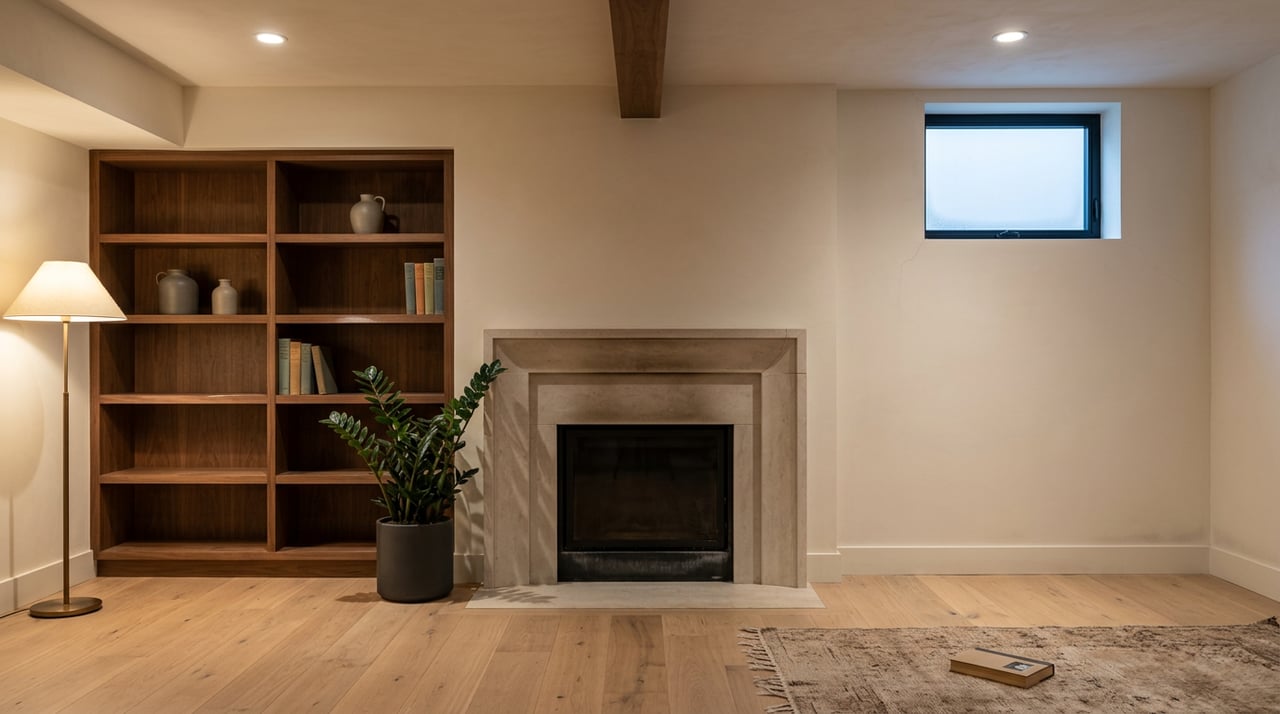
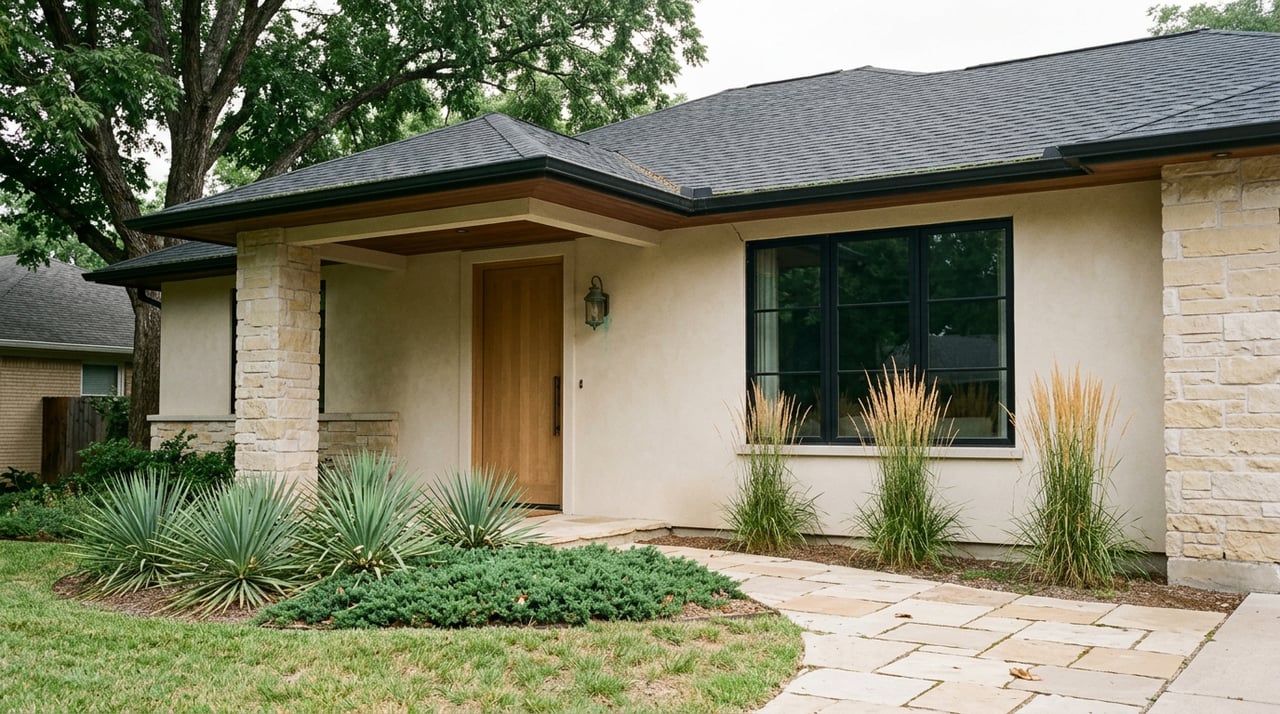
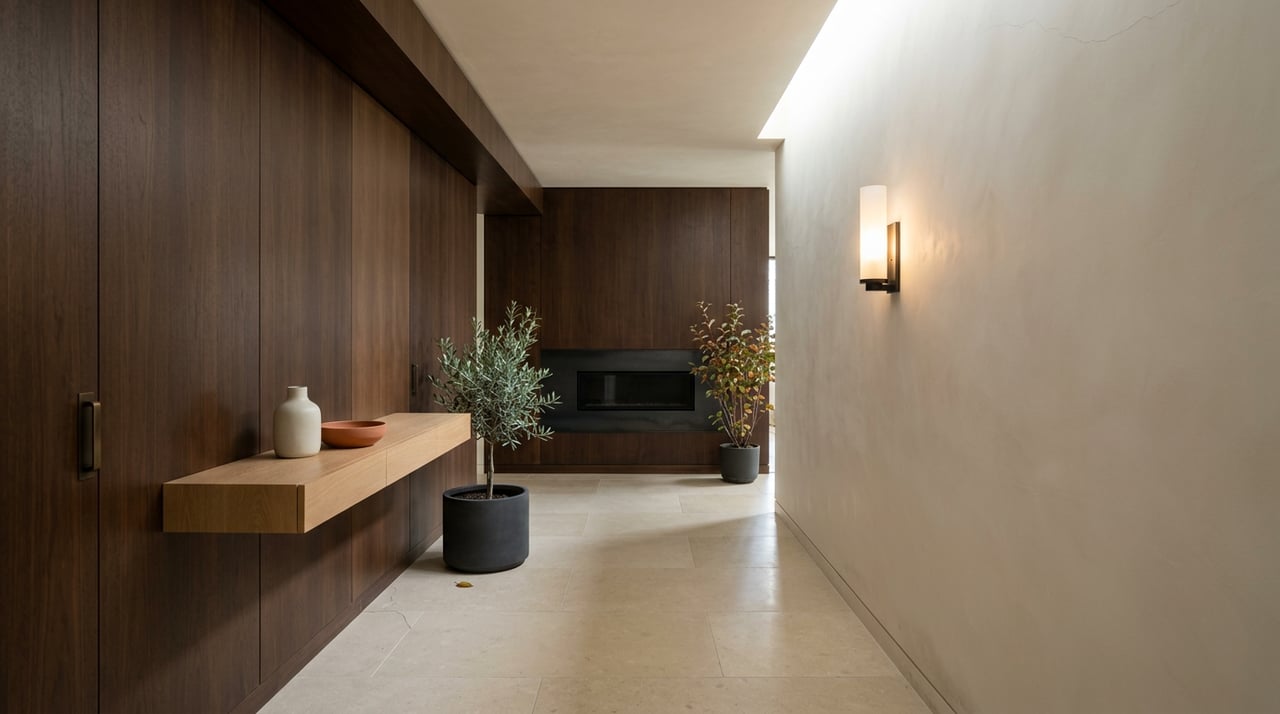
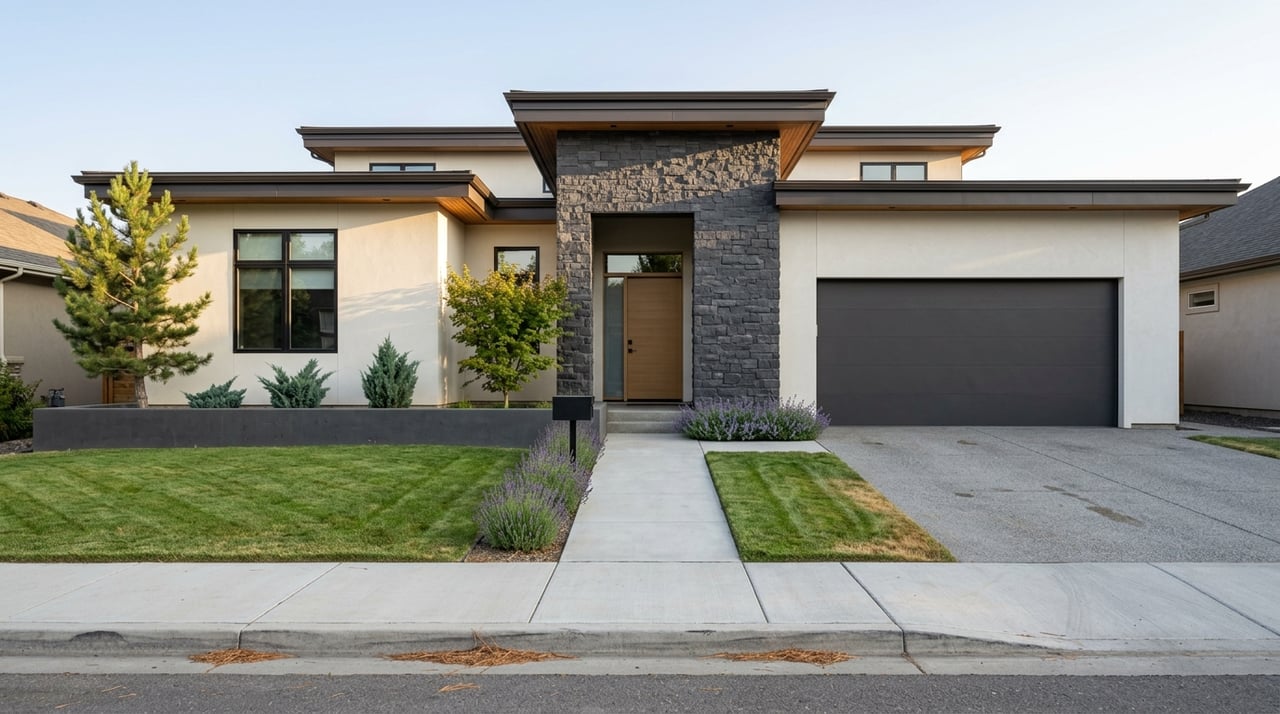
If you picture Centennial as only rows of traditional suburban homes, the full story is broader than that. The city’s long-range planning describes legacy neighborhoods with single-family detached homes, attached homes, and multifamily housing at varying densities. Emerging neighborhoods add even more housing variety, including denser detached and attached options in appropriate areas.
That matters if you are trying to match a home to your stage of life rather than force your life into one housing type. Whether you are looking for a larger detached home, a lower-maintenance townhome, or a property near mixed-use areas, Centennial’s framework supports more than one path. The city also allows accessory dwelling units in certain residential and mixed-use districts, which adds flexibility in some parts of the market.
Census data reinforces Centennial’s established ownership profile. About 80.6% of housing units are owner occupied, the median value of owner-occupied homes is $658,100, and median gross rent is $2,148. Taken together, those numbers point to a market with strong owner presence and long-term residential stability.
Parks and Trails Shape Daily Life
One of Centennial’s clearest advantages is how much outdoor access is built into everyday living. Through partnerships with local recreation districts, residents have access to more than 100 parks, 100 miles of trails, and more than 4,000 acres of open space. That scale changes the way a suburb functions day to day.
For many buyers, outdoor access is not a bonus feature. It is part of how you recover from work, spend time with family or friends, and stay connected to the place you live. In Centennial, parks and trails are part of the local routine rather than an occasional destination.
Centennial Center Park
Centennial Center Park is one of the city’s best-known public spaces. It is an 11-acre city park that opened in 2012 and expanded by another 4 acres in 2023. The park includes playgrounds, shelters, walking paths, an amphitheater, and gathering space, making it a practical everyday amenity rather than just a scenic stop.
Cherry Creek Access
Parker Jordan Centennial Open Space preserves 107 acres along Cherry Creek. It also helps complete part of the 40-mile Cherry Creek Regional Trail, which runs from downtown Denver to Castlewood Canyon State Park. That connection is a good example of Centennial’s broader appeal: suburban surroundings with meaningful regional access.
Cherry Creek State Park adds another layer. The city describes it as a scenic oasis in the Denver area, and its 4,200 acres support year-round boating, biking, hiking, camping, fishing, and other recreation. If you value room to move, Centennial benefits from being close to major outdoor assets, not just neighborhood green space.
Denver Connectivity Is a Real Advantage
Centennial works well for people who want a suburban home base but still need practical access to the metro. The city says residents can get around via major roadways, interstate highways, and the E-470 toll road. Its street network includes about 425 miles of paved public streets, while key corridors such as I-25, Parker Road, University Boulevard, and parts of Arapahoe Road support regional movement.
Transit also plays a role in the city’s Denver edge. RTD lists Dry Creek Station in Centennial on the E and R lines, and nearby Southeast Corridor stations include County Line, Orchard, Lincoln Station, and Arapahoe at Village Center. The city describes RTD rail and bus service as operating across the metro area year-round, which adds another option for commuting and mobility.
For a simple benchmark, the latest Census QuickFacts estimate a 25.9-minute mean travel time to work for Centennial workers. Commutes always vary by destination and schedule, but that figure helps frame Centennial as connected rather than remote. If you need to move between suburban residential life and Denver-area business centers, the location supports that balance.
Daily Convenience Goes Beyond Housing
A good suburb is not just about where you sleep. It is also about how easily you can move through ordinary life, from errands and meals to services and gathering places. Centennial supports that convenience with more than 5,000 businesses, which gives the city a strong service and retail base.
The Streets at SouthGlenn is one visible example. Located at Arapahoe and University, this mixed-use center includes shopping, dining, living, and working options. Places like this help explain the "Denver edge" in Centennial’s identity because they bring a more connected, mixed-use pattern into a suburban setting.
Where the City Is Heading
Centennial’s long-range vision also points to more mixed-use growth in strategic areas. The city adopted a Midtown Centennial vision centered around I-25 and Dry Creek Station, aiming for a district with housing, commerce, transit, parks, trails, plazas, and public space. For buyers who think long term, planning direction matters because it shows how a community may evolve over time.
That does not mean every part of Centennial will feel urban. What it suggests is a city trying to preserve its residential character while creating more options in the places best suited for them. If you want suburban living with access to a more metropolitan rhythm, that balance is a meaningful part of Centennial’s appeal.
What Centennial May Offer You
Centennial can make sense for several kinds of buyers. If you are relocating for work, it offers road and rail connections that help you stay tied to the wider Denver metro. If you are moving up in home size or looking for a more established ownership environment, the housing mix and owner-occupied profile may stand out.
It can also appeal if you value a home base that supports long-term planning. Outdoor access, housing variety, mixed-use convenience, and regional mobility all affect how a property fits your life over time. In that sense, Centennial is not just a suburb on the map. It is a strategic option for buyers who want both breathing room and connection.
A Strategic Read on Centennial
The strongest case for Centennial is not that it tries to compete with Denver on urban energy. It is that it offers a different kind of advantage. You can find residential scale, broad park access, diverse housing patterns, and practical transportation links, all within a city that continues to plan for thoughtful growth.
When you evaluate Centennial through that lens, the phrase "suburban living with a Denver edge" starts to feel precise. It describes a place where space and access are not opposing choices. If you are weighing where to buy in the south metro, Centennial is worth serious consideration.
If you want help thinking through Centennial in the context of your timing, lifestyle, commute, and long-term ownership goals, Chad Nash can help you begin with a strategic conversation.
FAQs
What makes Centennial different from other Denver-area suburbs?
- Centennial combines a suburban neighborhood structure with strong metro connectivity, access to more than 100 parks and 100 miles of trails, and a growing number of mixed-use areas.
What types of homes can you find in Centennial, Colorado?
- Centennial includes single-family detached homes, attached homes, multifamily housing in varying densities, and in some districts allows accessory dwelling units.
How is the commute from Centennial to the Denver metro area?
- Centennial is connected by major roads, I-25, E-470, and RTD rail service, and the latest Census estimate lists a 25.9-minute mean travel time to work for local workers.
What outdoor amenities are available in Centennial?
- Residents have access to more than 100 parks, 100 miles of trails, more than 4,000 acres of open space, Centennial Center Park, Parker Jordan Centennial Open Space, and nearby Cherry Creek State Park.
Is Centennial a strong ownership market for homebuyers?
- Census data shows that 80.6% of housing units in Centennial are owner occupied, which suggests an established market with a strong ownership base.