If you want a home that supports your schedule instead of competing with it, Lone Tree deserves a close look. For many buyers, the goal is simple: less exterior upkeep, easier travel, and daily convenience without giving up quality of life. In Lone Tree, that mix is not just possible, it is built into the city’s layout, housing mix, and amenities. Let’s dive in.
Why lock-and-leave fits Lone Tree
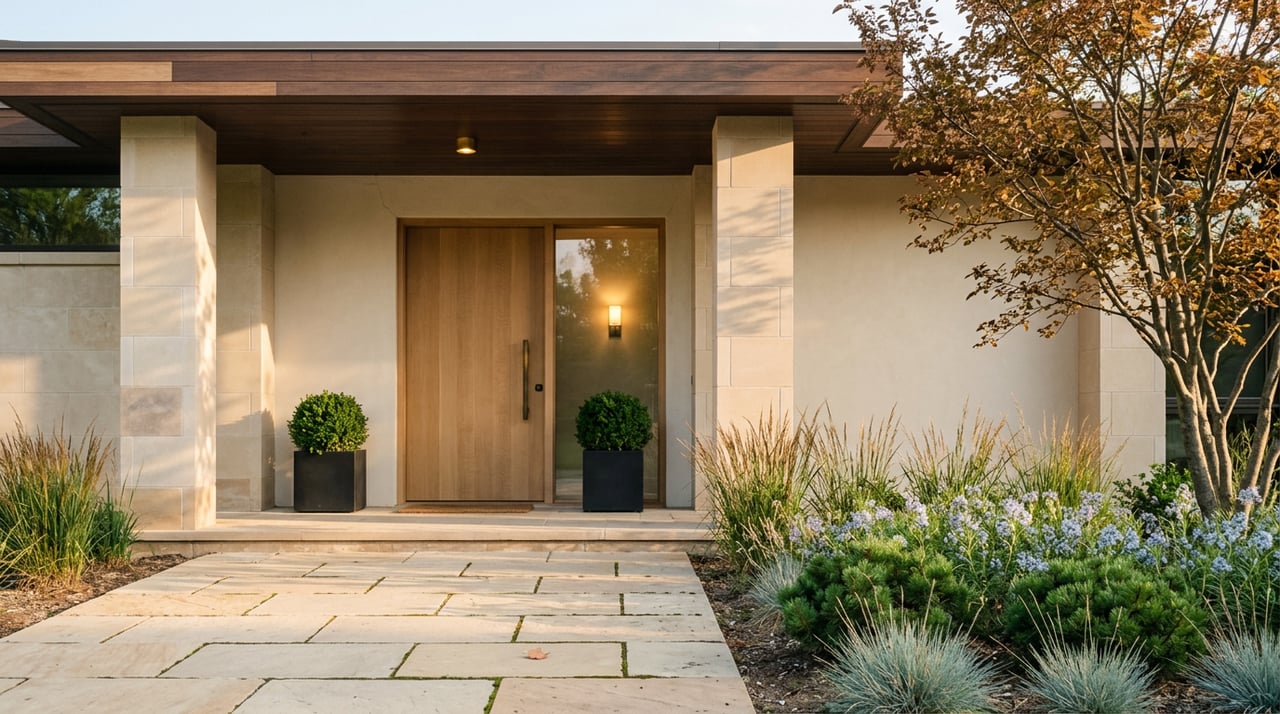
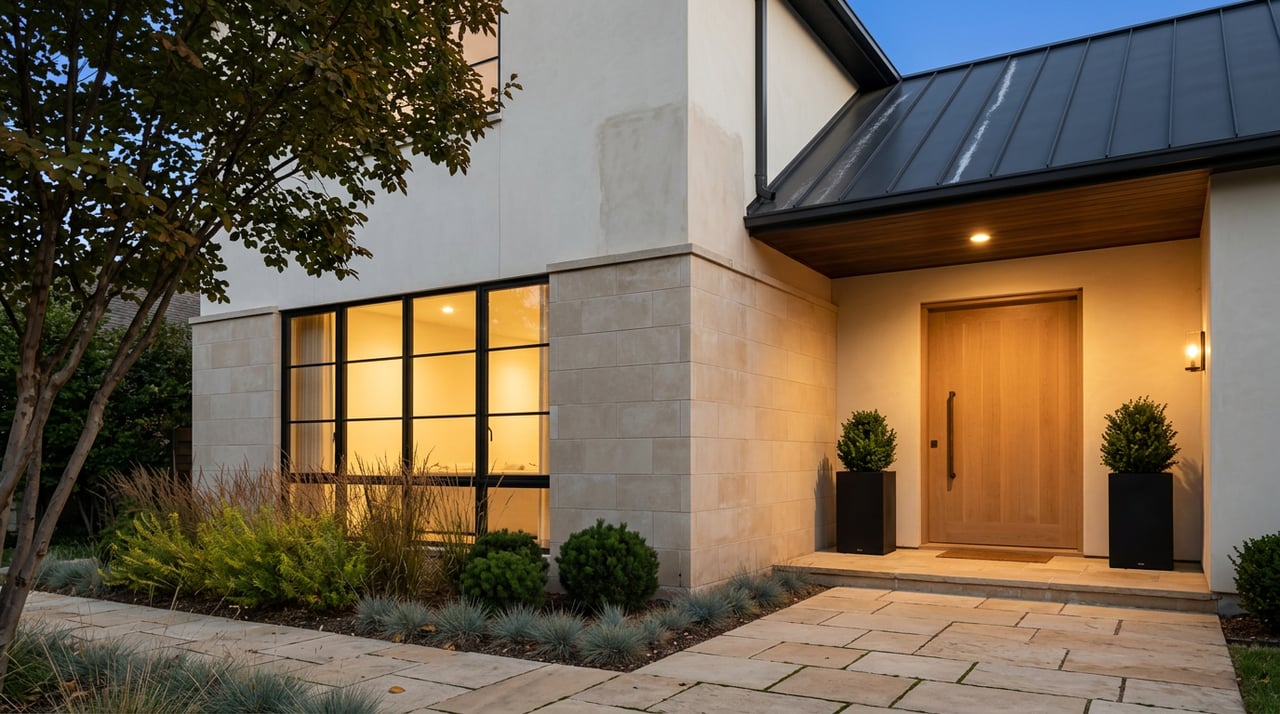
“Lock-and-leave” is best understood as a lifestyle, not a formal housing category. In Lone Tree, it usually points to condos, townhomes, and other HOA-supported homes where shared maintenance helps reduce the work that often comes with a larger detached property.
That lifestyle works especially well here because Lone Tree is designed around access. The city describes itself as a place where residents can move easily between shopping, work, parks, and transit, with major highway connections, light rail, and on-demand shuttle service supporting everyday mobility.
Lone Tree also functions as a major south metro hub. The city reports about 15,000 residents, more than 3,000 businesses, and a daytime population that grows to about three times the resident base, which helps explain why services and activity feel concentrated and convenient.
Lone Tree has the right housing mix
A lock-and-leave market needs more than a few attached homes. It needs a meaningful supply of housing designed for lower-maintenance ownership, and Lone Tree has that.
According to the city’s comprehensive plan, Lone Tree has 7,010 housing units, with 43% single-family homes, 8% townhouses, 6% condominiums, 40% apartments, and 3% senior-restricted living. Put another way, apartments, townhomes, and condos make up 54% of the city’s housing stock.
That matters because it shows attached and maintenance-light living is not a niche here. It is a visible and established part of the local housing landscape, which gives buyers more flexibility when they want convenience, shared amenities, or less day-to-day property work.
The city’s own housing snapshot tells a similar story, with roughly 792 townhomes and 330 condos, plus a large apartment inventory and senior living units. Lone Tree is also continuing to add attached housing, including condominium and townhome projects in growth areas such as RidgeGate and Southwest Village.
What makes a home truly lock-and-leave
Low maintenance is only part of the equation. A true lock-and-leave home should also support your time, travel patterns, and tolerance for household responsibilities.
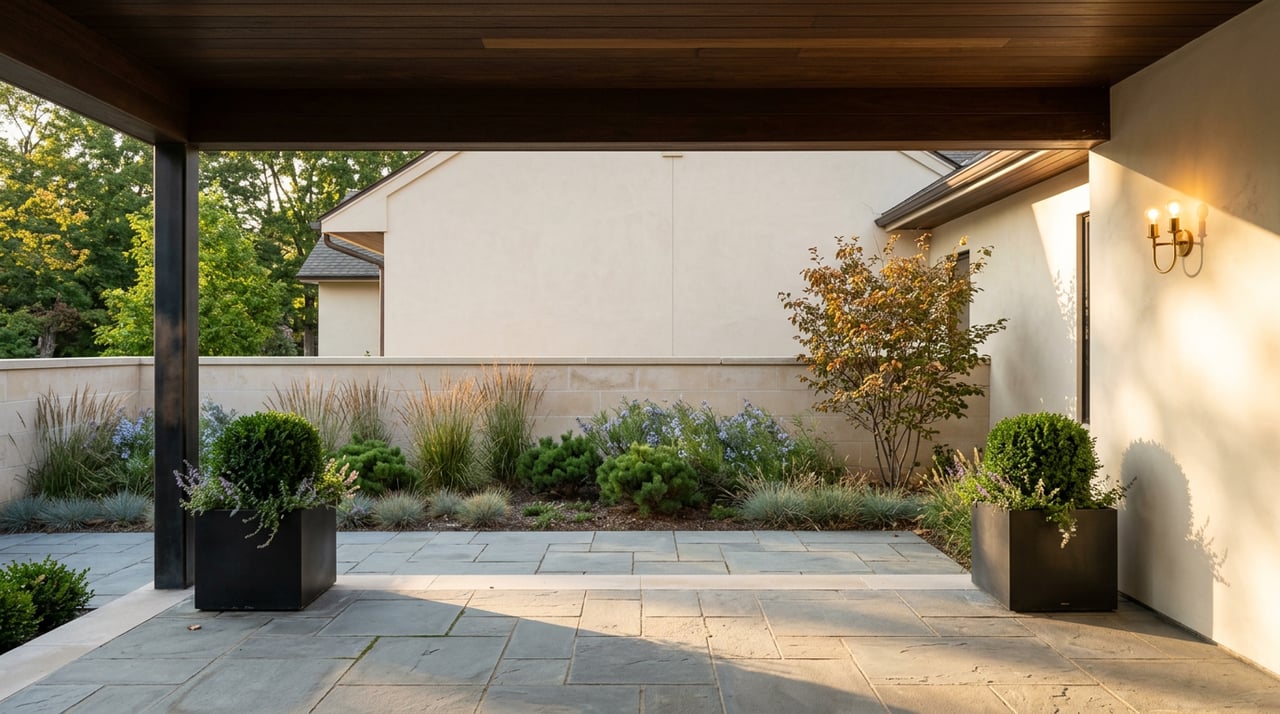
In many Lone Tree communities, homeowners associations help maintain shared landscaping, care for common spaces, and set standards for property maintenance and improvements. That structure can reduce the number of exterior tasks that would otherwise fall on you as the owner.
For buyers with demanding schedules, that can be a major advantage. If you travel often, split time between cities, or simply do not want weekends consumed by yard work and exterior upkeep, an HOA-supported condo or townhome can create more freedom in your routine.
This lifestyle can appeal to several types of buyers, including downsizers, relocating executives, athletes, and professionals who want a more mobile setup. Census data also points to a market with smaller average household size at 2.17 and a notable share of residents age 65 and older at 20.7%, both of which align with demand for easier-to-manage homes.
Convenience is the real selling point
The strongest case for lock-and-leave living in Lone Tree is not just maintenance. It is low maintenance with access.
Lone Tree offers an unusual concentration of convenience anchors. The city highlights major employment centers, health care services, retail, arts and recreation destinations, a range of housing types, five light rail stops, and multimodal transportation options including Link On Demand shuttle service.
That means your home can be smaller or simpler without making your life feel smaller. Instead of maintaining extra space you rarely use, you can lean on the city’s infrastructure and amenities for much of what supports daily life.
Transit supports flexibility
Lone Tree has five light rail stations: County Line, Lincoln, Sky Ridge, City Center, and RidgeGate Parkway. The city notes that the E Line serves Union Station, while the R Line connects to Aurora and the A Line to Denver International Airport.
For buyers who commute, fly often, or prefer to stay connected to the wider metro area, that level of transit access matters. It supports the kind of mobility that makes a lock-and-leave home feel practical, not limiting.
Shopping and dining stay close
Park Meadows is a major convenience anchor in this part of the market. It identifies itself as Colorado’s largest shopping mall, with 185 stores and restaurants.
For a lock-and-leave buyer, that means routine errands, dining, and retail options are close at hand. You may not need the footprint of a larger suburban property when so many daily needs can be met nearby.
Health care is built into the area
Health care access is another reason Lone Tree works well for buyers who value convenience. HCA HealthONE Sky Ridge Medical Center is located on RidgeGate Parkway and offers emergency care, cancer care, spine and total joint services, and labor and delivery services.
UCHealth Lone Tree Medical Center adds a multispecialty outpatient option serving south metro Denver. When health care, specialists, and routine appointments are nearby, it adds another layer of practicality to a lower-maintenance lifestyle.
City Center and RidgeGate stand out
If you are specifically searching for the strongest lock-and-leave setting in Lone Tree, City Center and RidgeGate deserve extra attention. These areas reflect the city’s long-term planning around walkability, mixed-use growth, and transit-oriented living.
Lone Tree City Center is planned as a 440-acre urban center east of I-25 between Lincoln Avenue and RidgeGate Parkway. The city says it is designed to support 35,000 jobs, 5,000 residential units, and about 12 million square feet of office and retail space.
The goal is not just density for its own sake. The city describes the area as pedestrian-friendly, with bikeways, open spaces, and a network of retail, employment, and housing uses that work together.
That kind of planning supports a lock-and-leave mindset well. When the surrounding environment is designed for access and convenience, your home can function more as a base of operations and less as a constant maintenance project.
Outdoor access without the yard work
A lower-maintenance home does not mean giving up outdoor time. In Lone Tree, shared community amenities and public open space help fill that role.
The city’s parks and trails system includes Prairie Sky Park, Sweetwater Park, Willow Creek Trail, the East/West Regional Trail, and Bluffs Regional Park and Trail. These connected, multi-use amenities make it easier to enjoy time outside without the burden of maintaining a large private lot.
Lone Tree is also continuing to invest in park infrastructure. The city has announced that High Note Park is under development and will become the largest park in Lone Tree once completed.
Beyond trails and parks, the city offers a recreation center, pool, library, tennis center, golf club and hotel, the Lone Tree Hub, and the Lone Tree Arts Center. For many buyers, that combination makes the lifestyle feel complete: fewer responsibilities at home, with plenty to do nearby.
Who should consider lock-and-leave living
This lifestyle is not for everyone, and that is exactly why it works so well for the right buyer. The best fit usually comes down to how you want your home to support your life.
You may want to explore lock-and-leave options in Lone Tree if you:
- Travel often for work or personal reasons
- Want less exterior maintenance and fewer home tasks
- Prefer transit, shopping, dining, and services nearby
- Are downsizing from a larger home
- Are relocating and want an efficient, connected landing point
- Value convenience and privacy over extra square footage
For some buyers, especially high-performance professionals, the real value is time. A well-chosen condo or townhome can reduce decision fatigue, simplify ownership, and create more room for the parts of life that matter most.
What to evaluate before you buy
Not every condo or townhome offers the same lock-and-leave experience. Before you buy, it helps to look closely at the details that shape day-to-day ownership.
Here are a few smart questions to ask:
- What exterior maintenance is handled by the HOA?
- What common spaces and amenities are included?
- Are there rules for renovations, rentals, or exterior changes?
- How close is the home to light rail, shopping, medical care, and trails?
- Does the layout fit your lifestyle if you work from home, travel often, or host guests?
- Does the location support your long-term plans, not just your current routine?
A strategic purchase is about more than low maintenance. It is about matching the property to your pace of life, privacy needs, and longer-term ownership goals.
A smarter way to think about Lone Tree
Lone Tree stands out because it offers more than just attached housing. It offers a built environment that supports mobility, convenience, and a more intentional way of living.
That is why lock-and-leave living resonates here. You are not simply buying less upkeep. You are buying access to transit, retail, health care, recreation, and mixed-use districts that make daily life easier.
If your goal is to own well, protect your time, and stay connected to the best of south metro Denver, Lone Tree presents a compelling case. And if you want help evaluating whether a condo, townhome, or other low-maintenance property fits your broader goals, start with strategy first. When you are ready to explore your options, begin with a conversation with Chad Nash.
FAQs
What does lock-and-leave living mean in Lone Tree?
- In Lone Tree, lock-and-leave living usually refers to condos, townhomes, or other HOA-supported homes that reduce exterior maintenance and make travel or busy schedules easier to manage.
What types of homes support lock-and-leave living in Lone Tree?
- The most common options are condominiums, townhomes, and attached homes in HOA-managed communities, especially in areas connected to RidgeGate, City Center, and the Park Meadows or Sky Ridge corridor.
Why is Lone Tree a strong fit for low-maintenance living?
- Lone Tree combines attached housing, five light rail stations, major retail, medical centers, parks, trails, and mixed-use growth areas, which supports a convenient lifestyle with less reliance on a large property footprint.
Are there many condos and townhomes in Lone Tree?
- Yes. The city’s housing data shows a meaningful share of townhouses, condominiums, apartments, and other attached or maintenance-light housing, making this a well-established part of the local market.
What should buyers review before purchasing a Lone Tree condo or townhome?
- Buyers should review HOA responsibilities, maintenance coverage, community rules, nearby amenities, transit access, and whether the home fits their schedule, privacy needs, and long-term ownership plans.