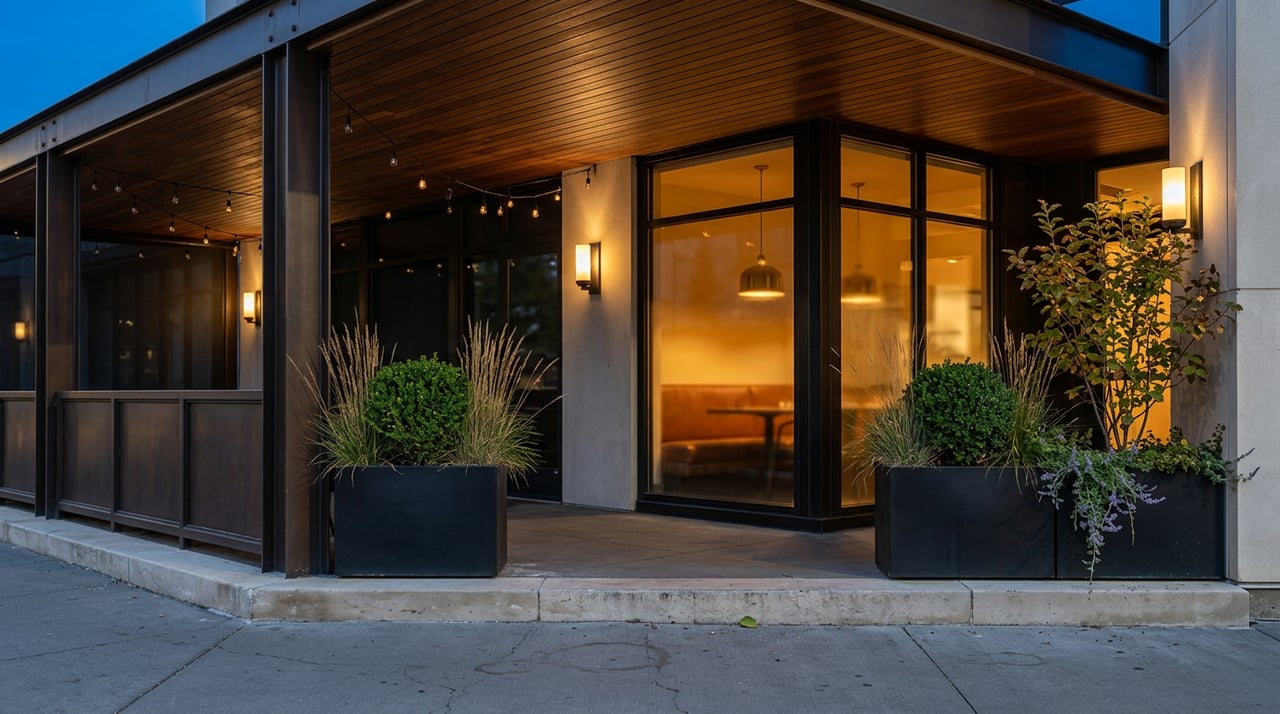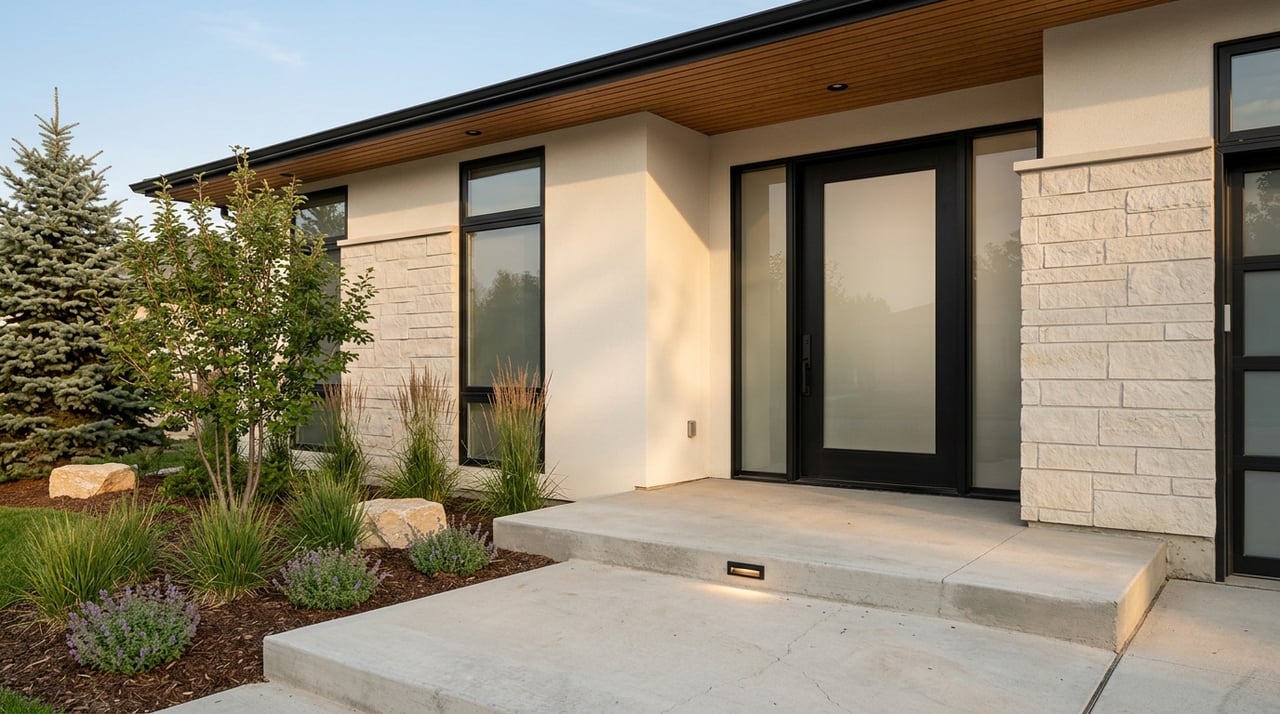
If you are deciding between a brand-new home and a resale property in Lone Tree, you are not just choosing finishes or floor plans. You are choosing between two very different parts of the city, each with its own pace, feel, and level of predictability. In this guide, you will see how new construction and resale homes compare in Lone Tree so you can make a more confident decision based on timing, cash flow, lifestyle, and long-term ownership goals. Let’s dive in.
Why Lone Tree Feels Like Two Markets
Lone Tree is a small but highly connected city in north Douglas County, with about 15,000 residents, roughly nine square miles of land, five light-rail stations, major highway access, and the free Link on Demand shuttle. That means both new and resale homes sit inside the same broader South Metro network rather than in a remote edge-market setting.
The bigger difference is how the city has developed over time. West of I-25 is close to built out, while much of the future residential growth remains east of I-25 in RidgeGate. When you compare new construction versus resale homes in Lone Tree, that east-west split is often the real decision.
Lone Tree Price Context
Lone Tree remains a premium market. Census QuickFacts shows a 2020 to 2024 median value of owner-occupied housing units of $874,100.
SMDRA’s March 2026 Lone Tree update shows median sales prices around $810,000 for single-family homes and $529,620 for townhouse-condos. The report also notes that one-month numbers can look extreme because the sample sizes in Lone Tree are small, so it helps to view pricing with some context.
What New Construction Looks Like
Most visible new-home activity in Lone Tree is in Lyric at RidgeGate, located east of I-25 in the Southwest Village. According to the city, that village is planned for more than 1,800 homes, over 200 acres of open space and trails, an elementary school, and Lone Tree’s first regional park.
Current builder activity includes homes that range from to-be-built to quick move-in options. That gives you flexibility if you want a newer home but do not necessarily want to wait through a full construction timeline.
Benefits of Buying New in Lone Tree
One of the biggest draws of new construction is customization. Depending on the stage of the build, you may be able to choose finishes, layouts, or design features that better match how you live.
New homes also appeal to buyers who want modern systems and layouts. Shea Homes says its homes are designed with open-concept floor plans, and it notes that each home includes a new-home warranty and a 1-5-11 service program.
Energy performance can also be part of the value. The EPA states that ENERGY STAR certified new homes are at least 10% more energy efficient than homes built to code and are designed for better quality, performance, and comfort.
Tradeoffs of New Construction
The upside of buying new usually comes with a different timeline and cash-flow structure. The CFPB notes that builders may ask for an upfront deposit on homes that are not yet built.
It also explains that construction loans are typically short-term loans with funds advanced in stages, often with higher rates than standard long-term mortgage loans. Payments may not begin for 6 to 24 months, which can be helpful in some cases, but it also adds planning complexity.
You should also think about buildout risk. In Lyric, some amenities are being delivered in phases, including plans for a café, fitness building, pool, patios, bike storage, and landscaping. That means the neighborhood may feel less finished in the early years than it will later on.
Metro Districts Matter in New Communities
In newer planned areas, metro districts can have a meaningful impact on your total carrying cost. Lone Tree explains that metro districts are special districts funded through property taxes and are often created for master-planned communities.
The city also makes clear that it does not collect or use those taxes. Before you commit, it is smart to confirm the specific district, what it means for your tax bill, and whether there are HOA dues as well.
What Resale Homes Look Like
Resale opportunities in Lone Tree are concentrated in more established parts of the city. The city identifies neighborhoods and areas such as Heritage Hills, Centennial Ridge, Carriage Club, Montecito, Bluffmont Estates, Bluffmont Greene, Bluffmont Heights, Country Club Estates, Heritage Estates, Prominence Point, Ridgeview, Terra Ridge, Sky Ridge, The Charter, Club Terrace, Lone Tree Terrace, and The Vista.
Many of these areas are on the more built-out side of Lone Tree. RidgeGate West is described by the city as close to fully developed, with only a handful of vacant sites remaining in existing developed areas.
Benefits of Buying Resale in Lone Tree
The biggest resale advantage is certainty. You can usually see the exact home, block, and neighborhood character before you buy.
That includes practical details like traffic flow, noise patterns, tree maturity, and how the streetscape feels day to day. In built-out areas, you are often buying into a place that already operates the way it will continue to operate.
Established parts of Lone Tree also include civic and recreational features that are already in place, including the Lone Tree Arts Center, recreation center, Douglas County library branch, Bluffs Regional Park, and integrated open space. For many buyers, that creates a stronger sense of predictability.
Tradeoffs of Resale Homes
Resale homes can come with more maintenance questions. Older roofs, windows, mechanical systems, drainage conditions, and the quality of past remodel work may all need close review.
That is why inspection strategy matters. The CFPB recommends getting an independent inspection as soon as possible, and it notes that inspection contingencies can give you the ability to renegotiate or walk away if serious issues appear.
Resale also does not automatically mean lower taxes or fewer ongoing costs. Lone Tree’s metro-district information includes districts tied to established areas too, such as Heritage Hills Metro District, Lincoln Station Metro District, and Park Meadows Metro District.
New Construction vs Resale at a Glance
| Factor | New Construction in Lone Tree | Resale Homes in Lone Tree |
|---|---|---|
| Location pattern | Mostly east of I-25 in active growth areas | Mostly west-side and established neighborhoods |
| Layouts and systems | Modern layouts and newer systems | Varies by age, updates, and maintenance |
| Customization | Often available, depending on build stage | Limited to the home as it exists |
| Move-in timing | Can range from quick move-in to longer build timelines | Usually faster for immediate occupancy |
| Neighborhood feel | May still be evolving during buildout | Usually more mature and predictable |
| Due diligence focus | Builder timeline, deposits, district taxes, HOA | Inspection results, system age, prior updates, district taxes |
How to Decide Which Fit Is Better
Your decision should start with priorities, not just inventory. If your main goals are customization, newer efficiency, and lower immediate repair risk, new construction may fit better.
If your top priorities are immediate occupancy, mature landscaping, and seeing the exact home and neighborhood before you buy, resale may be the stronger choice. Neither option is universally better. The right fit depends on how you value control, certainty, and timing.
Questions to Ask Yourself First
Before you choose, consider these practical questions:
- How soon do you need to move?
- How much cash can you comfortably tie up in deposits or staging costs?
- How comfortable are you with active construction nearby?
- How important is it to see the final neighborhood character before you buy?
- How long do you plan to own the property?
- How important are newer systems versus established surroundings?
These questions matter in Lone Tree because the market is not simply old homes versus new homes. It is often buildout versus maturity, especially when comparing east-of-I-25 growth areas to west-side established neighborhoods.
A Strategic Way to Think About It
In a premium market like Lone Tree, the cost of choosing the wrong fit can be meaningful. A home that looks right on paper can feel wrong if the timeline, tax structure, neighborhood stage, or maintenance profile does not match your actual life.
That is why the best decision is usually not about chasing the newest option or assuming older means simpler. It is about aligning the property type with your schedule, risk tolerance, and long-term ownership plan.
If you want a clear framework for evaluating Lone Tree options, Chad Nash can help you think through timing, tradeoffs, and the bigger picture before you make a move.
FAQs
What is the main difference between new construction and resale homes in Lone Tree?
- In Lone Tree, the main difference is often location and development stage. New construction is concentrated more in east-of-I-25 RidgeGate growth areas, while resale homes are more common in established, built-out neighborhoods on the west side.
Are new construction homes in Lone Tree mostly in RidgeGate?
- Yes. The most visible new-home activity is in Lyric at RidgeGate, where the city says future residential and civic growth is still unfolding.
Do resale homes in Lone Tree have metro district taxes too?
- Yes. Buyers should not assume metro district costs only apply to new construction, because Lone Tree lists several metro districts tied to established areas as well.
What is the biggest advantage of buying a resale home in Lone Tree?
- The biggest advantage is certainty. You can usually evaluate the exact home, neighborhood character, traffic patterns, and day-to-day setting before you close.
What is the biggest advantage of buying new construction in Lone Tree?
- The biggest advantage is usually a mix of customization, modern layouts, newer systems, and potential energy-efficiency benefits.
Is Lone Tree considered a high-price housing market?
- Yes. Census QuickFacts shows a 2020 to 2024 median value of owner-occupied housing units of $874,100, and recent local market reporting shows premium median sale prices for both single-family and townhouse-condo properties.