If you want a Denver neighborhood where luxury living, walkability, and everyday convenience actually meet, Cherry Creek likely sits near the top of your list. For many buyers, the challenge is not whether the area is appealing. It is whether the lifestyle, housing options, and pace of the neighborhood truly fit the way you want to live. In this guide, you will get a clear look at what makes Cherry Creek distinct, who it tends to suit best, and what to keep in mind if you are considering a move. Let’s dive in.
What Makes Cherry Creek Stand Out
Cherry Creek is one of Denver’s most established mixed-use districts, located about five minutes from downtown according to Visit Denver’s Cherry Creek neighborhood guide. The broader area combines Cherry Creek North and the Cherry Creek Shopping Center, creating a concentrated hub of shopping, dining, wellness, and hospitality.
That scale is part of the appeal. Visit Denver says the district includes more than 300 stores, 75 cafes and restaurants, 50 spas and salons, and five hotels. For you as a buyer, that means daily life can feel highly connected, polished, and convenient without giving up the neighborhood feel that draws people to central Denver in the first place.
Cherry Creek North Lifestyle
Cherry Creek North is the heart of the area’s street-level energy. It is a 16-block district filled with boutiques, galleries, restaurants, and services, all within a compact footprint that makes it easy to explore on foot.
What gives the neighborhood much of its character is the local business mix. According to the area overview from Denver.org, Cherry Creek North has more than 200 retail shops and Denver’s highest concentration of locally owned stores. That helps explain why the district feels refined but still personal rather than generic.
There is also an intentional level of design continuity here. The city’s design review standards help new projects fit the district visually, which supports the cohesive streetscape many buyers notice right away. A 2024 city report also identified Cherry Creek as Denver’s second-highest revenue-generating area in 2023, which reflects the strength of its commercial base and continued relevance.
Shopping, Dining, and Arts Access
For many residents, Cherry Creek’s biggest day-to-day advantage is simple: there is always something nearby. Whether you want a quick lunch, a gallery visit, a dinner reservation, or a wellness appointment, the neighborhood gives you a wide range of options within a short distance.
The retail and arts scene is especially notable. Visit Denver highlights more than a dozen art galleries in Cherry Creek North alongside independently owned boutiques and restaurants, giving the area a more curated and local feel than a standard shopping district.
Dining is just as layered. Local and visitor guides point to a mix of long-running favorites and chef-driven destinations, including Cherry Cricket, Matsuhisa, Toro Latin Kitchen + Lounge, Le Colonial, Alteño, and Bar Amorina. That range supports the neighborhood’s reputation as a place where you can keep things casual one day and polished the next.
Cherry Creek also has a strong event calendar. Visit Denver notes recurring neighborhood programming such as Live & Local and the Sidewalk Sale, while CherryArts says the annual Cherry Creek Arts Festival will take place July 3 to 5, 2026, featuring 250 juried artists, live music, food, and family-friendly activities.
Outdoor Access and Everyday Mobility
Cherry Creek is not only about shops and restaurants. Its outdoor connection is a major part of the lifestyle, especially if you value being able to move through the city without always getting in a car.
The Cherry Creek Trail is central to that experience. Visit Denver describes it as a 22-mile route connecting downtown and areas beyond, making it a meaningful amenity for biking, running, walking, and day-to-day recreation.
Transit access also adds flexibility. RTD’s Cherry Creek transfer station at 2500 E 1st Ave serves five bus routes, which helps support the neighborhood’s accessibility while preserving its very walkable format.
The city is also planning improvements that may strengthen the area over time. According to Denver’s 1st Avenue Redesign project page, the corridor redesign would widen the Cherry Creek Trail, improve intersections, add a tree lawn, and prepare the area for future bus rapid transit.
Public realm improvements matter here because they shape how the neighborhood feels every day. A 2024 needs assessment noted resident interest in better lighting, traffic calming, greenway improvements, and micro-transit, while also stating that the Cherry Creek North BID funds 24/7 mobile and foot patrols plus employee courtesy escorts. That tells you the area is actively managing growth, mobility, and quality-of-life issues rather than standing still.
Public Art Adds Character
Cherry Creek’s trail and street life also connect to Denver’s public art scene. That gives the neighborhood another layer beyond luxury retail and residential convenience.
Denver Parks and Recreation announced the Cherry Creek Trail Wall Fest for 2025, bringing mural work to the trail corridor. Denver Arts & Venues has also highlighted mural tours and Urban Arts Fund installations along the trail, reinforcing the area’s mix of urban polish and visual interest.
What Housing Looks Like in Cherry Creek
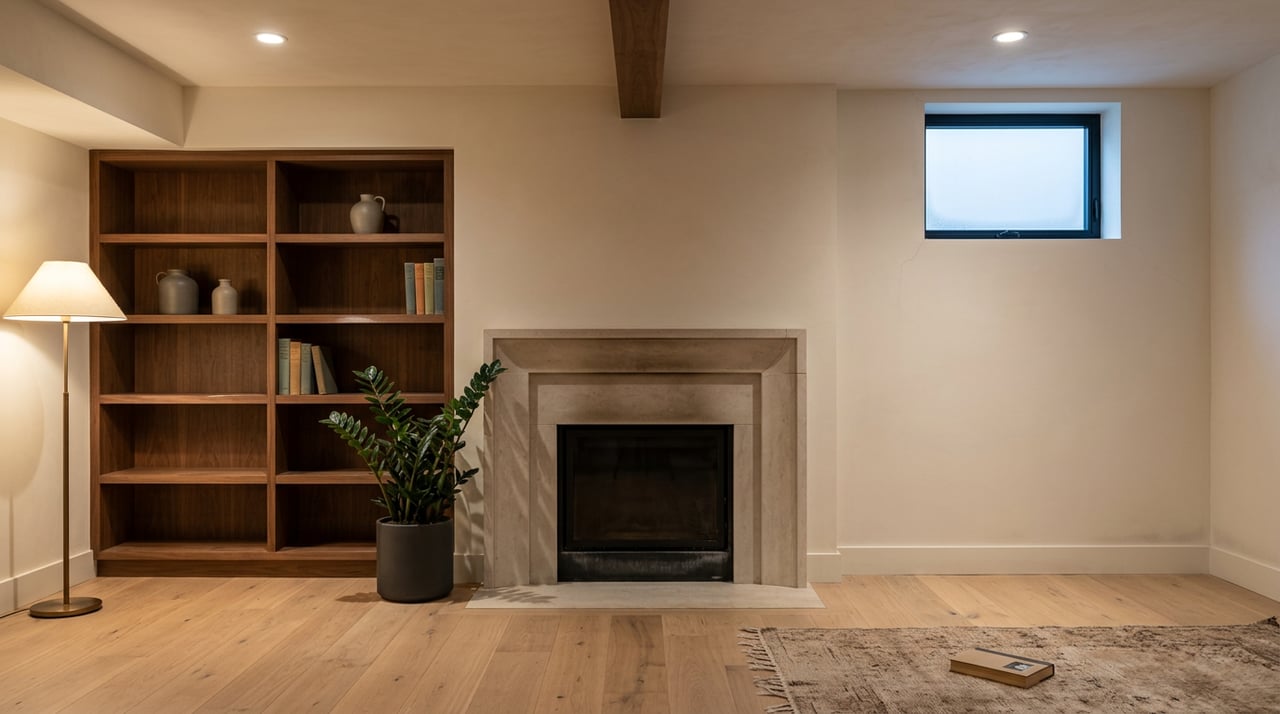
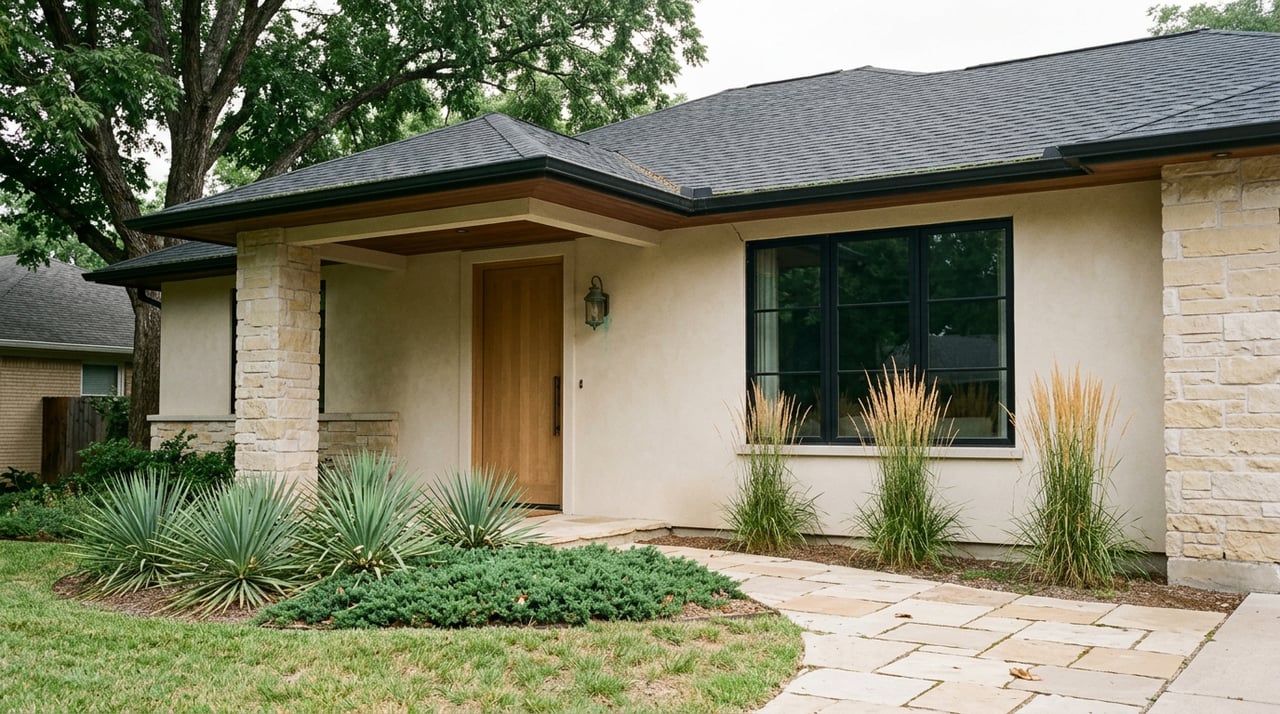
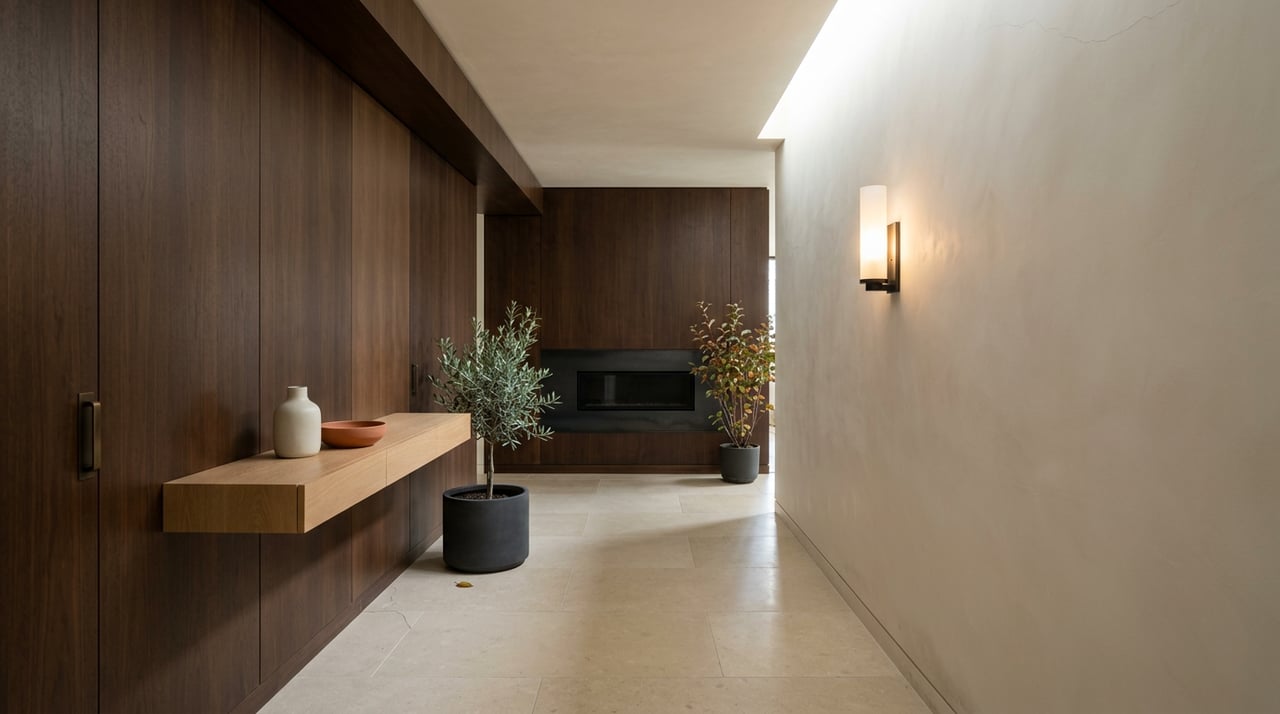
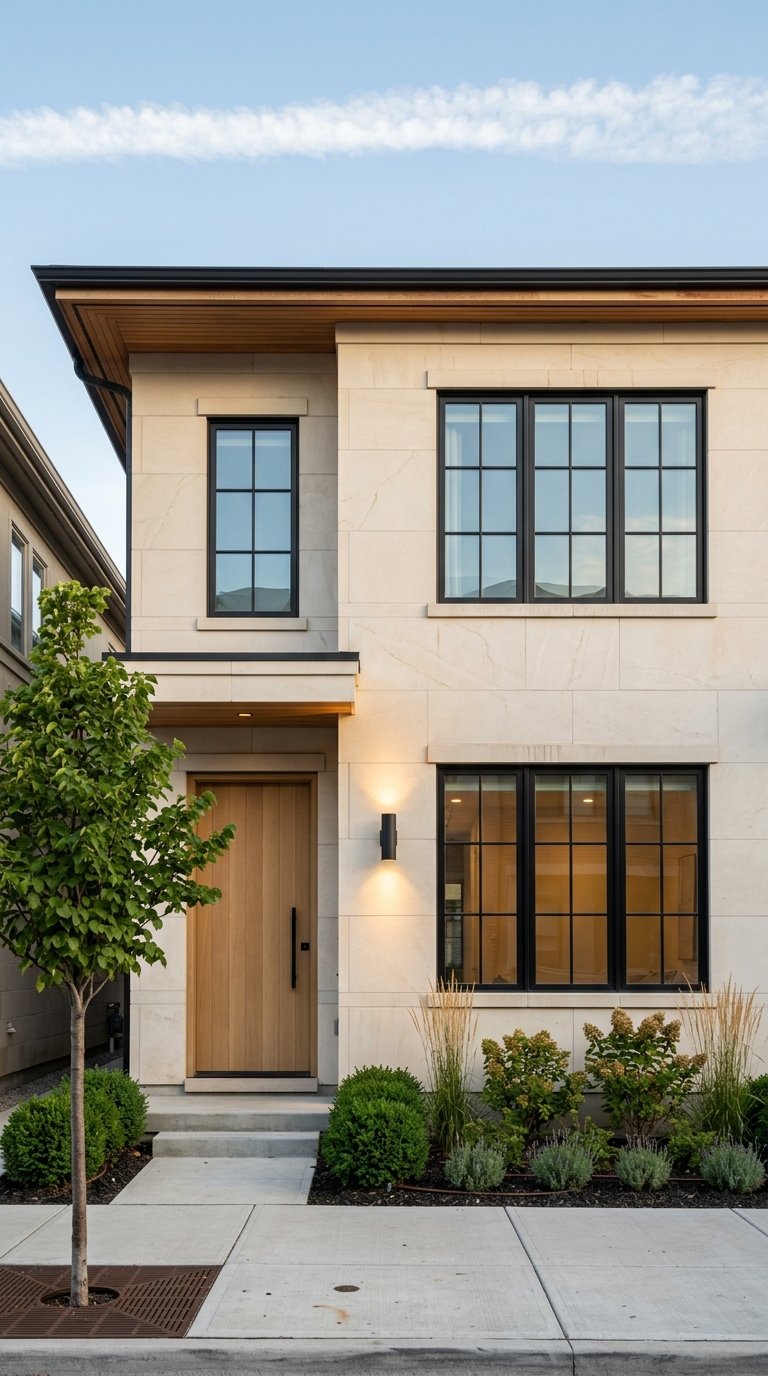
When buyers picture Cherry Creek, they often think of luxury residences on walkable, tree-lined streets. That general impression is supported by reporting from Axios, which described the neighborhood in 2024 as a mix of luxury single-family homes, condominiums, and townhouses.
That variety is important because Cherry Creek is not one single housing experience. Depending on the block and subarea, you may find a more private residential feel, a lock-and-leave condo lifestyle, or a home that places you closer to the district’s retail and restaurant core.
City planning documents also point to this variation. Cherry Creek East has a more residential character, and a residential design overlay adopted in 2023 requires outdoor pedestrian lighting. Meanwhile, Cherry Creek West is evolving, with plans that had advanced through rezoning review as of August 13, 2024 for seven buildings, including four residential structures and about 825 units.
For you, that means the neighborhood offers both established luxury appeal and signs of future change. If you are evaluating Cherry Creek, it is wise to consider not just current inventory but also how the surrounding area may develop over time.
Who Cherry Creek Tends to Fit Best
Cherry Creek generally suits buyers who want a polished, amenity-rich urban lifestyle. If you value walkability, dining, art, hospitality, and low-maintenance living, the neighborhood can align well with those priorities.
This often includes relocating professionals, downsizers, and frequent travelers who want convenience and a strong sense of place. It can also appeal to buyers who prefer quality and access over large-lot suburban space.
From a strategic standpoint, Cherry Creek can make sense if you want your home to support a fast-paced schedule without sacrificing comfort or neighborhood identity. The combination of luxury housing, hotel access, trail connectivity, and concentrated amenities gives the area a practical advantage for people who want efficiency built into their daily routine.
What to Consider Before You Buy
Cherry Creek offers a distinct lifestyle, but the right fit depends on your priorities. Before you buy, it helps to think through a few practical questions.
Your Lifestyle Needs
If you want to walk to restaurants, shops, services, and events, Cherry Creek is hard to ignore. If you prefer more separation from commercial activity or want a larger property footprint, other Denver-area neighborhoods may align better.
Your Housing Preference
The neighborhood includes condos, townhomes, and luxury single-family homes, but each comes with a different ownership experience. A condo may support a lock-and-leave lifestyle, while a detached home may offer more privacy and space within the same broader district.
Your Long-Term Plan
Because Cherry Creek continues to evolve, you should look at both present lifestyle value and future context. Planned corridor improvements, ongoing development, and changing inventory can all influence how a purchase fits your longer-term goals.
Why Strategy Matters in Cherry Creek
In a neighborhood like Cherry Creek, the decision is rarely just about finishes or square footage. It is about how location, mobility, privacy, convenience, and future value work together.
That is why many buyers benefit from an advisory approach before they ever start touring homes. When you first clarify your timing, risk tolerance, lifestyle needs, and long-term ownership goals, you can evaluate Cherry Creek with much more confidence and far less noise.
If you are considering a move in or around Cherry Creek, a strategic conversation can help you sort through the tradeoffs, define your buying criteria, and act with clarity. When you are ready, connect with Chad Nash to begin with a thoughtful, discreet plan built around your goals.
FAQs
Is Cherry Creek in Denver close to downtown?
- Yes. According to Visit Denver, Cherry Creek is about five minutes from downtown Denver.
What is Cherry Creek in Denver known for?
- Cherry Creek is known for its luxury mixed-use lifestyle, including hundreds of stores, dozens of restaurants and spas, art galleries, hotels, and walkable access to the Cherry Creek Trail.
What types of homes are available in Cherry Creek Denver?
- Cherry Creek is generally described as offering a mix of luxury single-family homes, condominiums, and townhouses.
Is Cherry Creek Denver walkable?
- Yes. The neighborhood is widely known for its compact, walkable layout, especially in Cherry Creek North where shops, dining, and services are concentrated.
Does Cherry Creek Denver have trail and transit access?
- Yes. The neighborhood connects to the 22-mile Cherry Creek Trail, and the Cherry Creek transfer station serves five RTD bus routes.
Who is Cherry Creek Denver best suited for?
- Cherry Creek tends to fit buyers seeking an amenity-rich urban lifestyle, especially those who value walkability, dining, art, convenience, and low-maintenance living.