For many high-income professionals, the paycheck is strong and the lifestyle reflects it. But income alone is not wealth. Wealth begins when earned income is systematically converted into ownership, appreciating assets, and long-term leverage.
The Illusion of Financial Security
A high salary can create the appearance of stability, but income and wealth are not the same. Income is active and dependent on continued performance. Wealth is durable, built on assets that appreciate, generate income, and remain in place regardless of how hard you are working.
Many professionals earning $300K, $500K, or more are still financially exposed because their lifestyle depends entirely on continued income production. Without asset accumulation, they become what we might call high-income but low-autonomy households. Strong cash flow, but limited insulation.
That is not wealth. That is dependence at a higher price point.
Why High Earners Stay Stuck
Most professionals follow a path designed to maximize income, not ownership. Education, promotions, and compensation structures reward performance, but rarely teach asset strategy, leverage, or long-term balance sheet thinking.
From a sociological standpoint, this reflects a failure of capital conversion. Drawing from Pierre Bourdieu's framework, many individuals accumulate educational and income capital without converting it into economic capital that compounds over time.
In simple terms, they know how to earn. They have not been taught how to own.
Real Estate as a Strategic Bridge
Real estate remains one of the most effective ways to convert income into lasting wealth because it combines multiple advantages in a single asset class. Appreciation, leverage, amortization, tax efficiency, and optionality all exist within the same structure.
This is why real estate is not just about buying property. It is about shifting your economic posture. You move from relying on income to building a balance sheet. From consumption to control. From earning money to positioning money.
The First Shift: Rethinking the Primary Residence
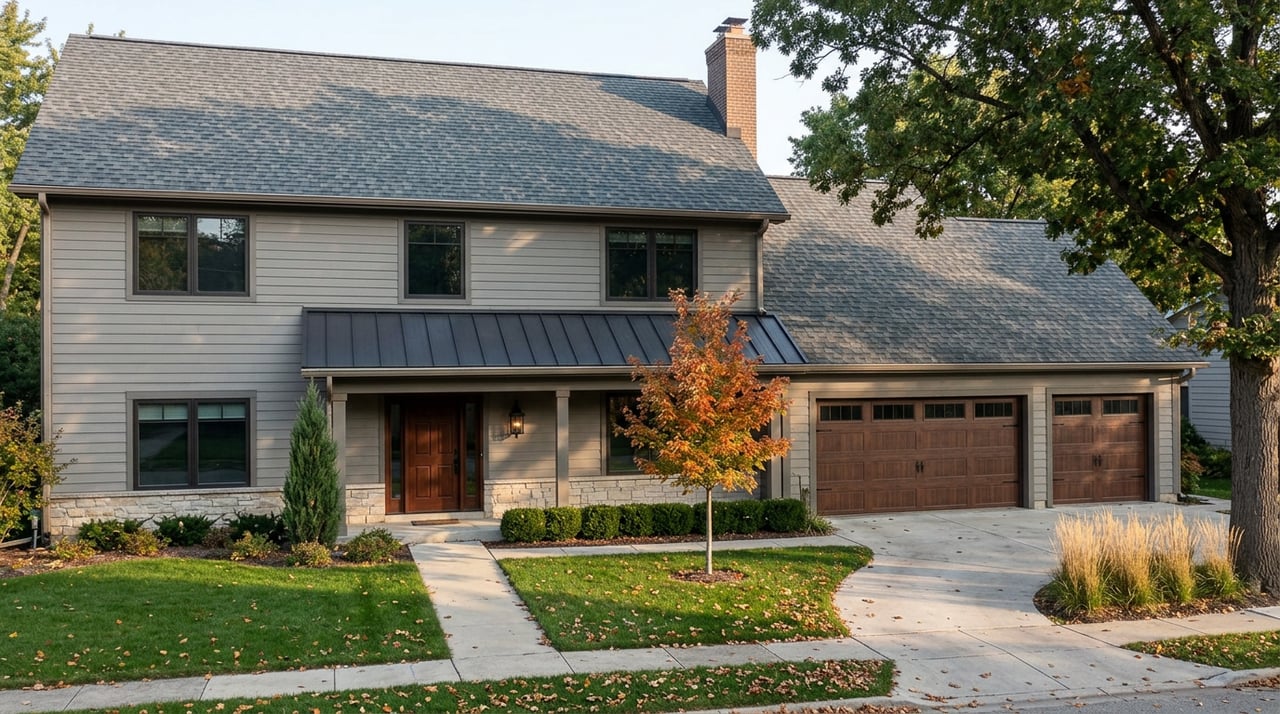
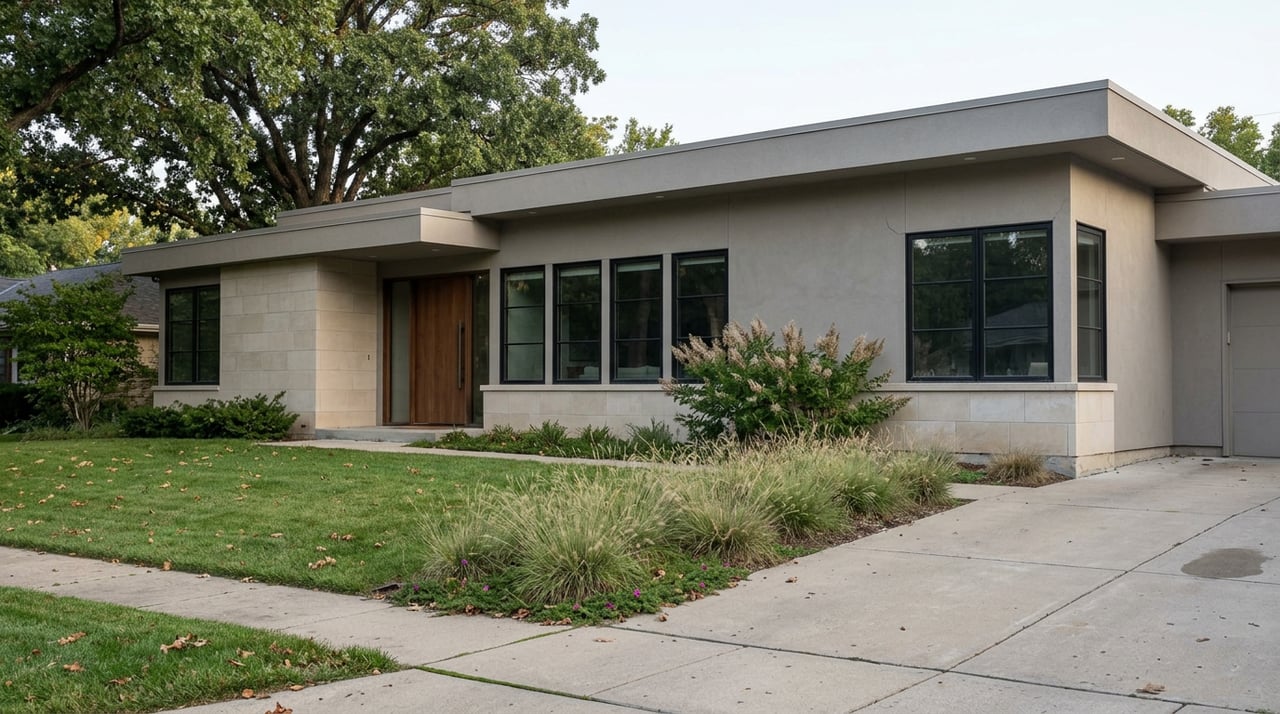
The transition often begins with how you view your primary residence. Too many buyers treat it purely as a lifestyle purchase, prioritizing aesthetics over long-term utility and flexibility.
A strategically selected home, however, can become a future rental, an executive housing asset, or a foundational equity position. Location, layout, and long-term demand matter far more than short-term emotion.
The home is not just where you live. It can be your first meaningful asset.
The Second Shift: Income vs. Equity
Income is linear. It is earned, taxed, and spent, then must be earned again. Equity behaves differently. It compounds quietly over time through appreciation, debt reduction, and market positioning.
Many high earners remain psychologically tied to income because it is visible and immediate. Equity, by contrast, feels abstract. But long-term wealth is built by prioritizing what grows beneath the surface.
Serious wealth builders measure progress not just by income, but by what they own.
The Third Shift: From Buyer to Strategist
Buying real estate is not enough. Without a clear ownership strategy, even multiple purchases can fail to create meaningful wealth.
Strategic ownership requires clarity. Are you building for appreciation, cash flow, tax efficiency, or long-term optionality? How does real estate fit within your broader financial structure?
This is where the real transition occurs. You stop acting like a consumer of property and begin operating as an allocator of capital.
First-Generation Wealth Builders
This shift carries particular weight for first-generation wealth builders. High income often arrives without inherited frameworks for ownership, while financial pressure from family, lifestyle expansion, and visibility expectations remains high.
Multi-generational wealth is not just financial. It includes knowledge, structure, and strategic familiarity with ownership. First-generation earners must build that system in real time.
The risk is becoming the first to earn well, but not the first to own well.
The Network Advantage of Ownership
Ownership also changes access. Drawing from Granovetter's strength of weak ties and Burt's structural holes, opportunity often flows through networks where information and deals circulate.
As individuals begin acquiring assets, they often move closer to these networks. Conversations shift. Exposure increases. Opportunities become more visible.
Ownership is not just financial. It is positional.
Final Thought
There is nothing wrong with earning a strong income. In fact, it is the engine that makes wealth-building possible. But income alone is not the end goal.
The goal is to convert income into ownership, ownership into leverage, and leverage into long-term freedom.
At some point, every high performer has to decide whether they want to remain a well-compensated participant in the system or become an owner within it.
Ready to Build Beyond the Paycheck?
If you are a professional, executive, or first-generation wealth builder looking to transition from income dependence to strategic ownership, I help clients move beyond transactions and toward long-term wealth positioning.
Schedule a confidential consultation
Chad Nash, Ph.D. is a Strategic Real Estate Advisor with Coldwell Banker Global Luxury, helping high-performing professionals build durable ownership and long-term equity through real estate.