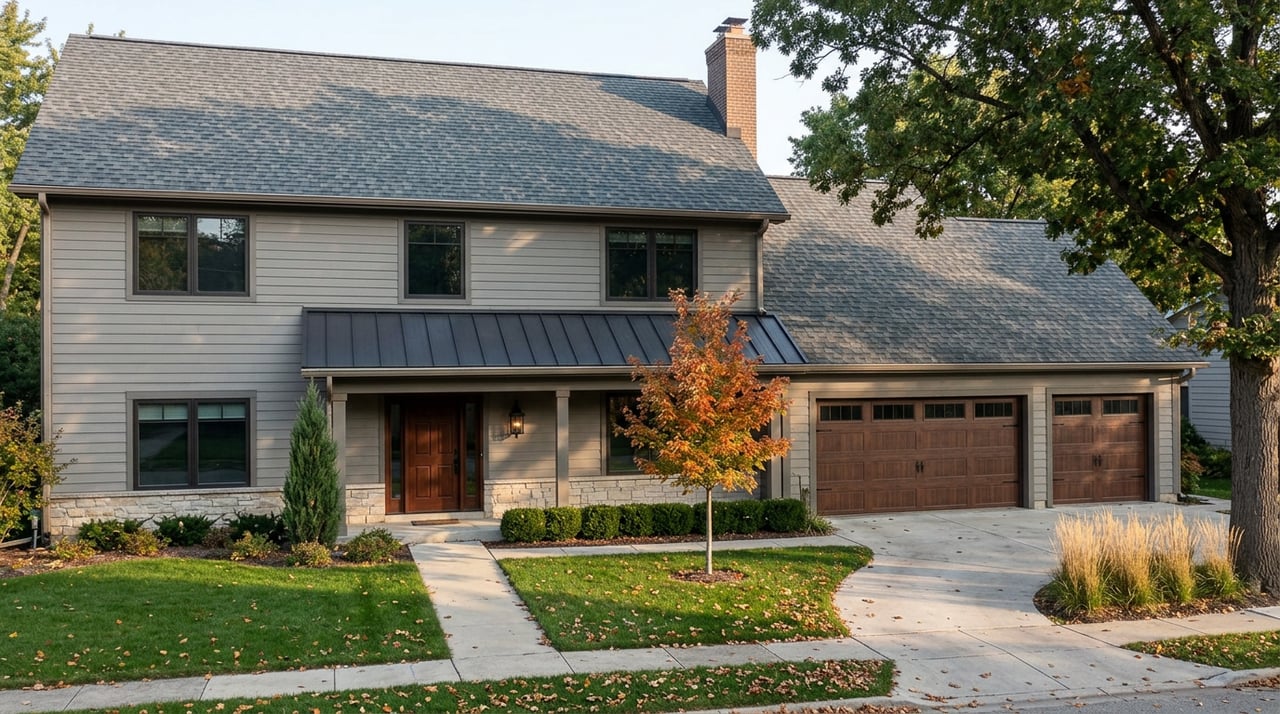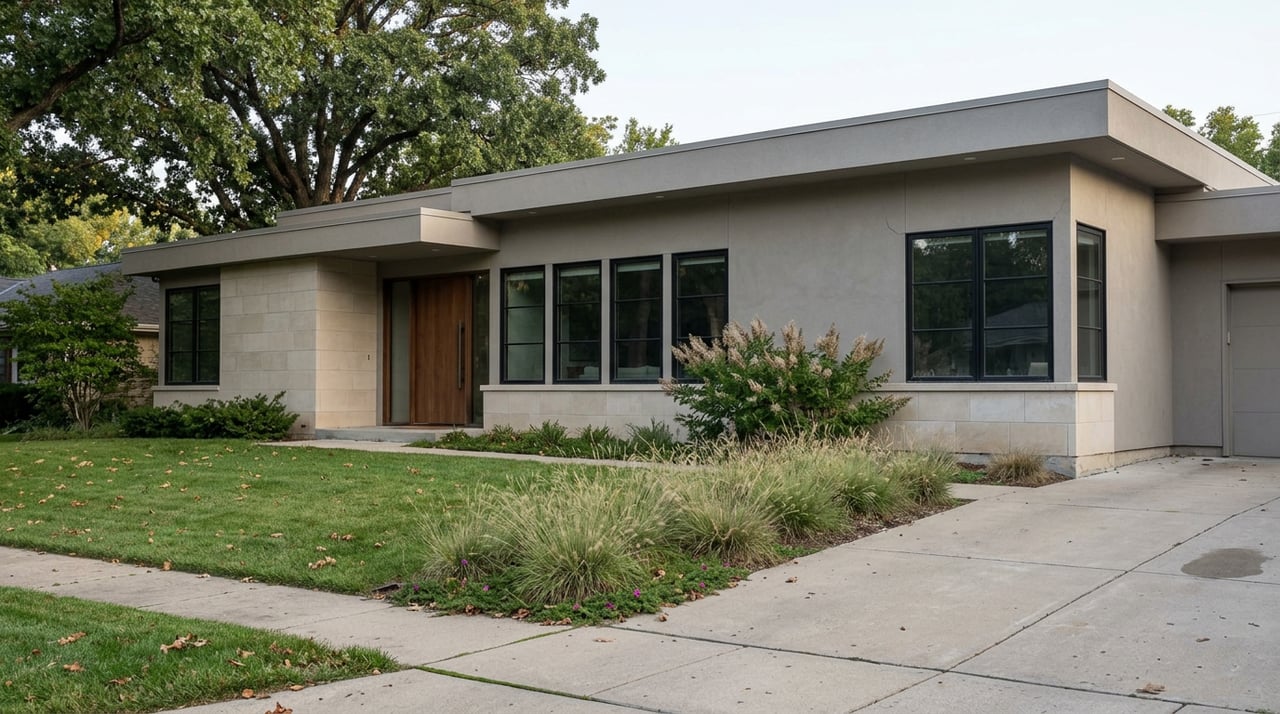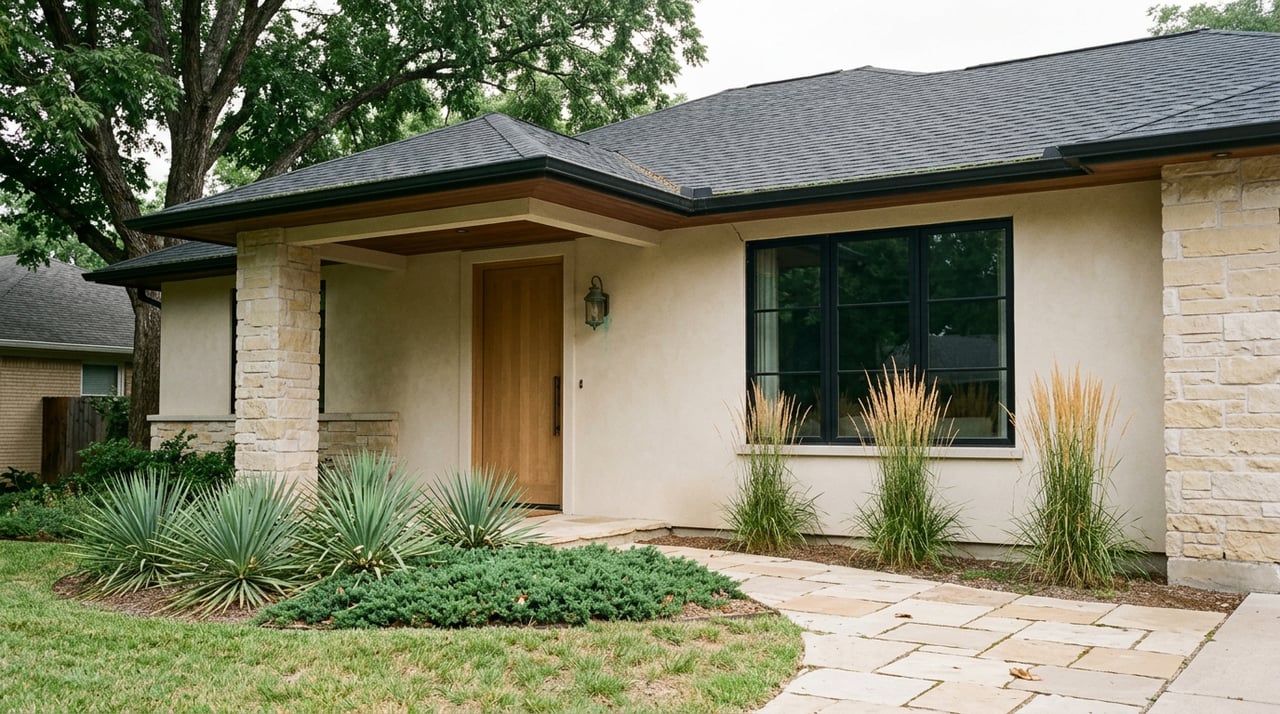
Two listings, same city, same price point, same square footage. One sits in a Centennial neighborhood that has been established for decades. The other closed on its first buyer sometime in the last few years. If a buyer is comparing them purely on the number in the listing sheet, they are looking at the wrong number. The gap that actually matters shows up on a document neither one hands over until the title work is underway: the tax bill.
As of mid-2026, the citywide median sale price for a single-family home in Centennial sits somewhere around $600,000 to $650,000, depending on which data window you pull. That figure gets repeated in every market report, every listing description, every cross-shopping spreadsheet a relocating buyer builds. What it never explains is why an identical price tag can produce annual property tax bills that differ by thousands of dollars, sometimes even doubling, depending on which side of an invisible boundary the home sits on.
The Line Item Nobody Puts in the Listing Photos
That boundary is a metropolitan district, usually shortened to metro district. It is a special taxing entity created under Colorado's Title 32 statute, formed so a developer can borrow against future property taxes to build the roads, water lines, and parks a new subdivision needs before anyone lives there. The homeowners who move in later repay that debt through a mill levy stacked on top of the county, school, and city portions of their tax bill.
The arrangement is not exotic. It is how most Denver metro subdivisions built since 2000 finance their own infrastructure, and the logic behind it is straightforward: building the roads and pipes up front and folding that cost into the sale price would push many buyers out of the market entirely. Spreading it across decades of property tax keeps the purchase price lower and shifts the cost into the ownership years instead.
The tradeoff is real. A metro district's debt-service mill levy commonly adds 30 to 50 mills on top of everything else a homeowner already pays, and on a home carrying a modest baseline levy, that addition can roughly double the total bill. One mill equals one dollar of tax for every thousand dollars of assessed value, so the math scales directly with the size of the levy, not the neighborhood's reputation or school ratings.
The sticker price on a Centennial listing tells you what you'll pay the seller. It says nothing about what you'll pay the county every year afterward.
Where Centennial Actually Draws the Line
Centennial has both sides of this divide inside its own boundaries, and the names are findable if you know to look.
On the newer-construction side, the Estancia Metropolitan District operates within the City of Centennial in Arapahoe County, one of several luxury single-family communities in the 80016 corridor built with a metro district structure behind it. A few miles over, the Centennial Crossing Metropolitan Districts Nos. 1 through 3 and 8 exist for the same reason: they were formed to finance and maintain infrastructure the developer built, and every homeowner inside the district boundary pays into that mill levy as part of their annual tax bill.
On the established side, Piney Creek is a different animal entirely. The master-planned community's roughly 1,850 homes are governed by a homeowners association, not a metro district, and the area's water and sewer service runs through the East Cherry Creek Valley Water and Sanitation District, a traditional utility district built around operating costs rather than developer bond repayment. Older pockets of Saddle Rock carry a similar structure. Buyers in these neighborhoods pay HOA dues for landscaping and shared amenities, but they are not carrying a debt-service mill levy layered under their county and school taxes.
Neither structure is inherently better. A metro district can fund real infrastructure that a buyer benefits from every day. But the two structures produce different numbers on the same size check, and only one of them shows up clearly before closing.
What the Math Actually Looks Like
Colorado does not tax a home's full market value. Under the 2024 legislative fix, House Bill 24B-1001, the 2026 residential assessment rate sits at 6.8% for most local levies and 7.05% for the school portion, applied after a 10% exemption on the first $700,000 of value. That assessed value, not the sale price, is what the mill levy actually multiplies against.
Here is what that produces on a hypothetical $620,000 Centennial home, using typical Front Range mill levy ranges, once with no metro district and once with one:
| Established neighborhood, no metro district | New construction inside a metro district | |
|---|---|---|
| Typical combined mill levy (county, school, city, standard special districts) | roughly 85 mills | roughly 85 mills plus a 30 to 50 mill debt levy |
| Approximate annual property tax on $620,000 | around $3,580 | around $4,850 to $5,690 |
| Difference | baseline | $1,270 to $2,110 more per year |
These are illustrative figures built from documented Colorado mill levy ranges and the 2026 assessment rate, not a pulled tax record for a specific address. The exact levy on any given Centennial parcel depends on which taxing entities cover it, and the only way to know for certain is to check the parcel directly through the Arapahoe County Assessor's records.
The Lag That Makes This Worse
New construction adds a second wrinkle. A metro district's mill levy is certified against the assessed value of the land and structure, and in the first year or two after a home is built, that assessed value can still reflect an empty lot rather than a finished house. Colorado municipalities that regulate these districts are direct about the consequence: a buyer may not see the district's mill levy on their first tax bill at all, and it is common for the full levy to show up on the bill one to two years after closing, once the county completes its first full reassessment of the improved property.
That means the tax figure sitting on a new-construction MLS listing in a metro district community can understate what the buyer will actually owe within two years of moving in. It is not a disclosure failure. It is a timing mismatch between when a home gets built and when the county catches up to taxing it correctly.
The Disclosure Law Closes Part of the Gap
Colorado has addressed this, at least on paper. Since January 1, 2024, a seller whose property sits inside a metropolitan district organized on or after January 1, 2000 is required to give the buyer the district's official website before closing. That website typically discloses the current mill levy, the total authorized debt, and how much of that debt remains outstanding.
The law only works if someone asks for it early enough to matter. A buyer comparing an Estancia listing against a Piney Creek listing should be requesting that district website in the first week of showings, not during the title objection period.
Why the Older Neighborhoods Are Moving Faster This Year
Centennial's 2026 market has been notably bifurcated. Well-priced homes in established pockets like Piney Creek and Saddle Rock have been selling in roughly 7 to 14 days, while the citywide average sits closer to 20 to 28 days. Part of that gap is simple desirability and inventory scarcity. But a buyer who has already done the tax-line homework has one less reason to hesitate on a home in a neighborhood with a known, stable cost structure, and one more reason to slow down and ask questions on a newer listing before writing an offer.
Infrastructure spending in Centennial's older corridors also tends to run through conventional public channels rather than private district bonds. The ongoing $30 million widening of County Line Road between University Boulevard and Broadway, a joint project between Douglas County, the City of Centennial, and the City of Littleton now underway through an expected September 2027 completion, is a reminder that established areas still get major infrastructure investment. It just arrives funded by general public dollars and multi-jurisdiction partnership instead of a homeowner-specific mill levy.
A Short Checklist Before You Compare Two Listings
- Pull the parcel's actual tax history from the Arapahoe County Assessor, not the figure printed on the MLS sheet.
- If the listing sits inside a newer subdivision, ask directly whether a metro district covers the address and request its official website, which sellers in qualifying districts have been required to provide since January 2024.
- Ask whether the current tax bill reflects a fully assessed, built structure or a transitional dirt-lot valuation that has not yet caught up.
- Treat the total mill levy, not just the current year's dollar figure, as the number that predicts your long-term cost.
FAQ
Does paying HOA dues mean I don't need to worry about a metro district? No. An HOA is a private entity that collects dues for shared maintenance and has no taxing authority. A metro district is a government entity with the power to levy property tax. A neighborhood can have both at the same time, and paying one does not tell you anything about whether the other exists.
How do I find out if a specific Centennial address sits inside a metro district? There is no single public map that answers this cleanly. The most reliable method is pulling the parcel's tax bill through the county assessor and checking the list of taxing entities, or confirming that the seller has provided the district's official website as required under Colorado's 2024 disclosure law.
Does a metro district's mill levy ever go away? Eventually. State law limits how long a district can keep levying for debt repayment on a given property, capping that term at 40 years, though many districts retire their bonds well before hitting that ceiling. Once the debt is paid, the levy tied to that debt is supposed to drop, though operating and maintenance mills can continue independently.
A median price tells you what the market thinks a home is worth. It does not tell you what you are actually agreeing to pay every year after the closing table. If you are comparing Centennial neighborhoods and want someone to pull the real numbers before you fall in love with a listing, Chad Nash starts every client relationship the same way. Begin with a Strategic Conversation.