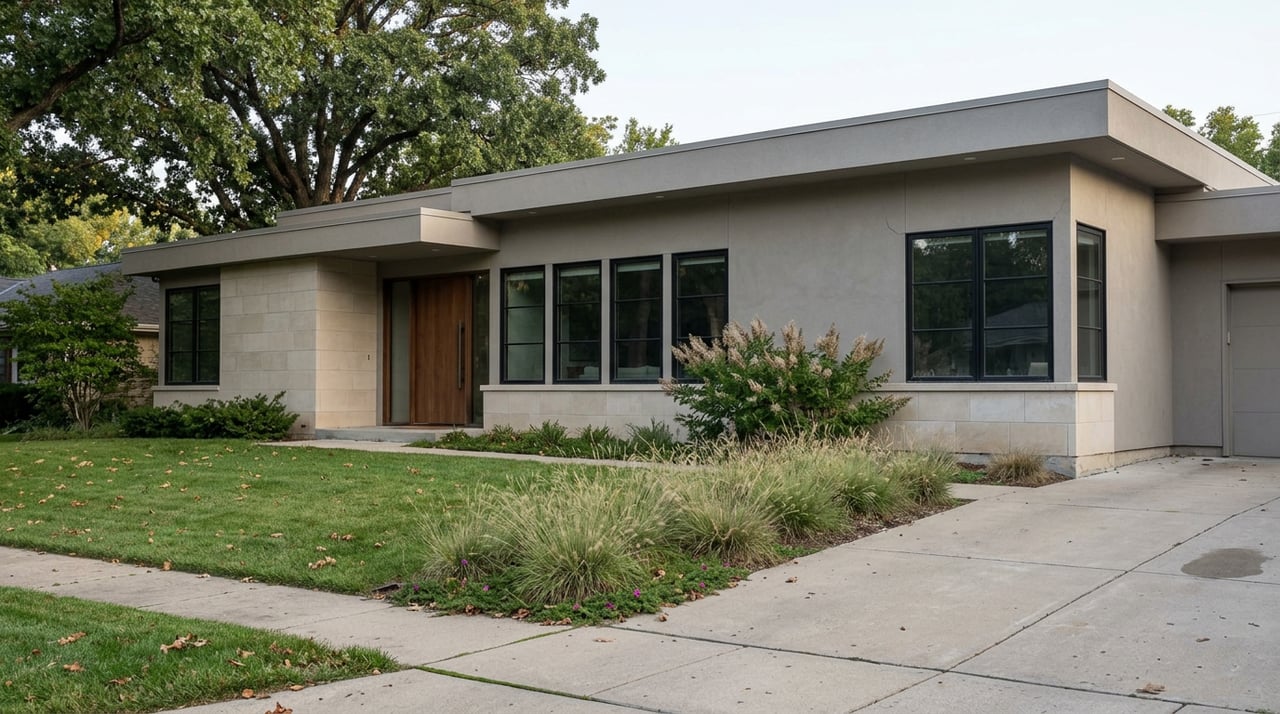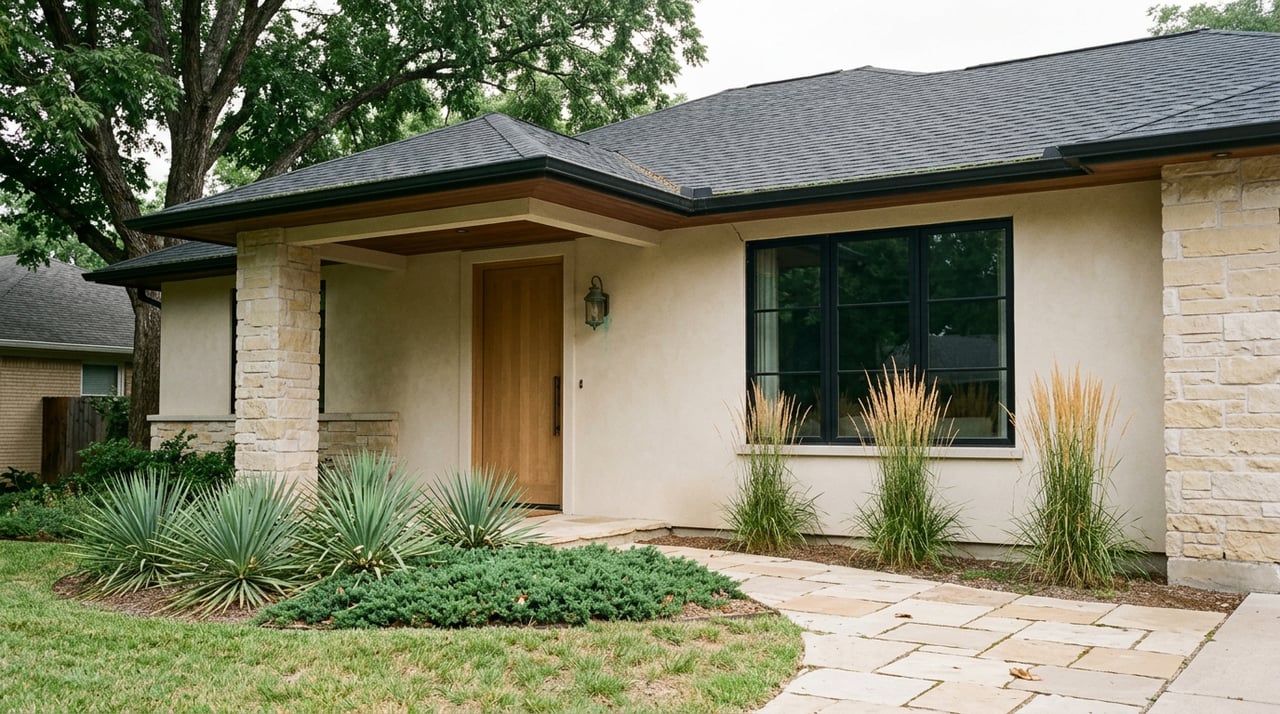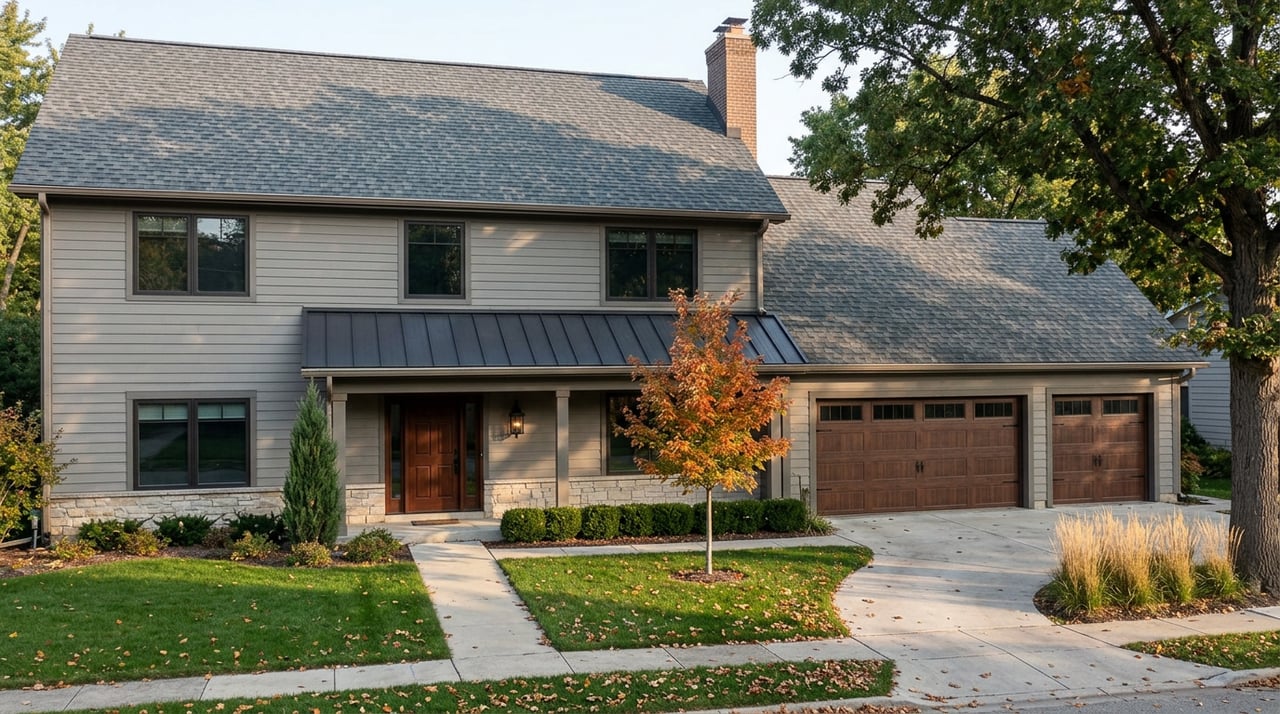
Walk the curved streets of Foxridge on a Saturday morning and the neighborhood still reads the way it did when Brooks, Sanford, Richmond, County Line and a handful of other small builders finished the last of it in the mid-1980s. Craftsman-style trim, mature trees along the bike lanes, a swim and racquet club that still runs its own community garden. Nothing about the exterior tells you that the roof, the furnace, and the water heater on a given block may all be approaching the end of their working life at roughly the same time.
That timing used to be a private problem, something a seller could reasonably let a buyer's inspector find and negotiate around after an offer was already accepted. Colorado's real estate contract changed on January 1, 2026, and the way that negotiation happens changed with it. For sellers in Centennial's oldest subdivisions, the shift is worth understanding before a home goes on the market, not after an inspection report lands.
The Contract That Sounds Like Protection
Colorado's updated residential contract, known as CBS1, was adopted in August 2025 and became mandatory to use starting January 1, 2026. One of its more visible changes states plainly that the property is being conveyed in "As-Is" condition, with certain exceptions. Read quickly, that sounds like it favors the seller. Read carefully, it doesn't change much for a buyer at all. The same contract preserves the buyer's full ability to object to what an inspection turns up, request that the seller resolve it, or walk away entirely.
What actually changed sits in the inspection paperwork itself. The Inspection Objection and Resolution notices were rewritten with clearer structure around timing and buyer rights. The contract also spells out that a seller's obligation to deliver association documents, when a property has an HOA, is satisfied only when the buyer actually receives them, not when they were sent. Deadlines that used to have some informal slack now have a documented trigger point.
Put those two things together and the "As-Is" language stops looking like a shield. It looks more like a redirection. The negotiation still happens, it just happens entirely inside a tighter, better-documented inspection window than the old contract allowed. A seller who hasn't looked closely at their own systems before that window opens is negotiating blind against a buyer who has a professional report in hand.
Why This Lands Differently in Centennial's Older Neighborhoods
Centennial's housing stock has a recognizable rhythm to it once you know where to look. Cherry Knolls and Walnut Hills date to the 1960s and 70s. Homestead and Piney Creek filled in through the 1980s. The Smoky Hill corridor carried growth into the 90s. Foxridge sits in that same 1980s window, built out by a rotating cast of smaller builders rather than one master developer.
A local home inspection company that works this market has described the pattern directly: in neighborhoods like Homestead Farm, Walnut Hills, and Cherry Knolls, homes frequently present with solid original construction paired with aging infrastructure, where sewer lines, roofing, furnaces, and water heaters may all be approaching the end of their service life simultaneously. That's not a defect. It's what happens when a subdivision gets built inside a short window and none of its major systems have been staggered by renovation since.
Roofs carry their own version of this timing problem. A local roofing contractor serving the area points to the June 2018 hailstorm as one of the largest waves of roof claims this part of the metro has seen, and notes that a large share of Centennial's older housing stock is still on original or second-generation roofs with original window frames. A roof that survived 2018 without a claim isn't necessarily a roof in good condition. It may simply be a roof nobody has looked at closely since.
Here's roughly how the construction eras line up across the subdivisions that come up most often in this conversation:
| Subdivision | Era Built | Systems Most Likely Original |
|---|---|---|
| Cherry Knolls, Walnut Hills | 1960s-70s | Roofing, sewer lines, window frames |
| Foxridge, Homestead | Late 1970s-1980s | Furnace, water heater, roofing |
| Piney Creek | 1980s | Furnace, water heater, garage door hardware |
| Smoky Hill corridor | 1990s | Roofing, mechanical systems entering later-life range |
None of this means a 1980s Centennial home is a risky purchase. It means the systems inside it are old enough that an inspector is likely to find something, and under the new contract, whatever gets found becomes the entire conversation.
The Math Behind Getting Ahead of It
A Colorado real estate attorney's guidance on seller disclosure puts it plainly: obtaining a pre-listing home inspection is one of the most practical steps a seller can take, because it identifies conditions the seller may not have known about, which can then be disclosed or addressed before the property goes to market. That matters more than it used to, because Colorado's Seller's Property Disclosure form only requires a seller to report what they actually know. There's no legal duty to inspect before signing it. A seller who never looks under the house isn't lying on the form. They're just walking into the Inspection Objection period with less information than the buyer's inspector is about to have.
The market's own behavior confirms how much weight that inspection period now carries. As of mid-2026, Colorado's standard inspection period still runs 10 to 15 days, but the Centennial market has been moving fast enough that some buyers are shortening that window or waiving inspection outright to win a bid. A competing trend has emerged on the buyer side in response: paying $500 to $700 for a pre-inspection before even writing an offer, just to know what they're walking into. Buyers are already investing in certainty before they commit. A seller who hasn't done the equivalent is negotiating from behind.
Before listing a home in one of these older subdivisions, a seller is generally better positioned having done three things:
- A pre-listing inspection covering roof, sewer line, furnace, and water heater specifically, since those are the systems most likely to be original
- A completed Seller's Property Disclosure that reflects what that inspection found, not just what the seller happened to notice
- A clear record of any HOA association documents and the date they were actually delivered to a prospective buyer, since the new contract measures that deadline from receipt, not from when the email was sent
Where the HOA Question Gets Uneven
Not every one of these subdivisions carries the same paperwork burden. Foxridge is generally described as being managed by the Foxridge Improvement Association rather than a typical mandatory HOA, though enclaves within the neighborhood still follow architectural guidelines on things like roof color and material. Piney Creek and Homestead in the Willows, by contrast, operate with more conventional HOAs that review exterior changes, including roofing and garage door style.
That distinction matters under the new contract's HOA documentation language. A Foxridge seller may have a shorter list of association paperwork to track down and deliver on time. A Piney Creek or Homestead seller has more documents in play, and now has to prove exactly when the buyer received them, not just that they were sent. Knowing which category a given address falls into before listing saves a scramble once a buyer's deadline clock starts running.
A Few Direct Questions
Does "As-Is" mean I don't have to fix anything a buyer finds during inspection? It means the property is conveyed as it stands, with stated exceptions, but the buyer still keeps full rights to object to inspection findings, request resolution, or terminate. The label describes how the property is sold, not how much leverage a buyer gives up during inspection.
If I skip a pre-listing inspection, am I violating Colorado's disclosure law? No. The Seller's Property Disclosure only requires reporting what a seller actually knows, and there's no legal obligation to inspect before completing it. The risk isn't legal exposure. It's negotiating without the same information the buyer's inspector is about to have.
Does the new HOA document rule apply to every Centennial subdivision? Only where a homeowners association exists. Foxridge, managed through its Improvement Association rather than a standard mandatory HOA, generally carries a lighter documentation load than subdivisions like Piney Creek or Homestead in the Willows, where a more conventional HOA reviews exterior changes and issues formal association paperwork.
Every one of these older Centennial subdivisions has genuine strengths, mature trees, established schools, and a kind of neighborhood continuity that newer developments haven't earned yet. None of that changes the mechanics of what happens once an inspector walks through a 45-year-old furnace closet. Getting ahead of that conversation, rather than reacting to it after an offer is signed, is the difference between a listing that moves on schedule and one that stalls over a repair credit nobody saw coming.
If you're weighing whether to list a home in Foxridge, Walnut Hills, Homestead, or anywhere else in Centennial's established core, Chad Nash can walk through what your specific address is likely to show under the new contract before a single sign goes in the yard. Begin with a Strategic Conversation.